Verification Protocols Meeting Game Variety in Worldwide Digital Betting Platforms
Jordan Roth · Jul 19, 2026
Verification Protocols Meeting Game Variety in Worldwide Digital Betting Platforms
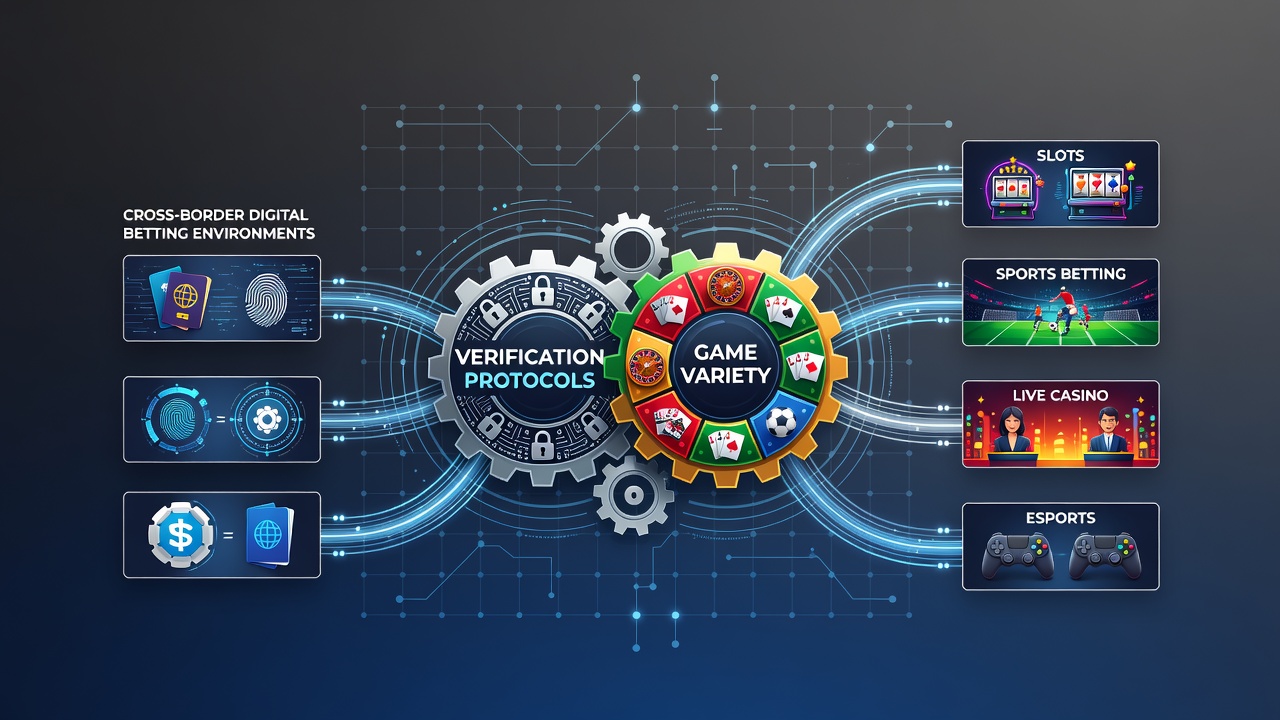
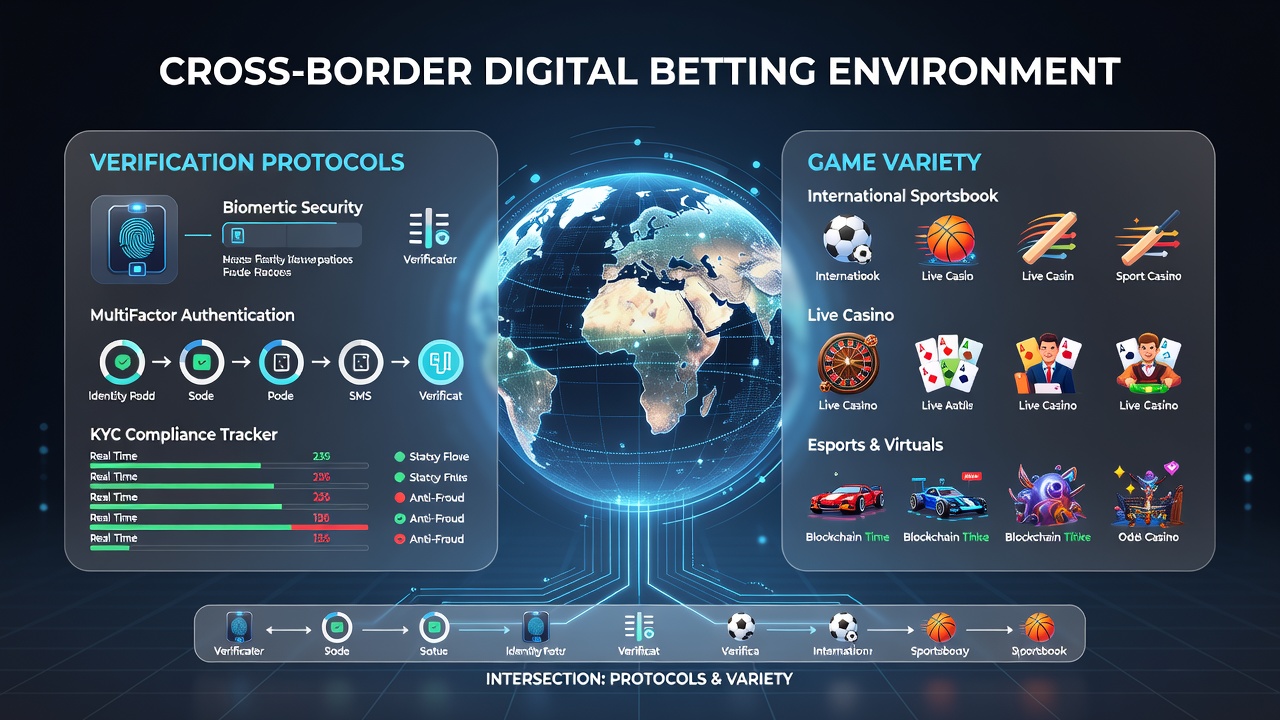
Verification protocols function as gatekeepers in cross-border digital betting environments where operators must reconcile identity checks with regulatory demands from multiple jurisdictions and these systems directly influence which games become available to players in different regions. Data from international gaming associations shows that platforms handling users across borders often apply layered verification processes including document uploads and biometric scans before granting access to full game libraries and this setup creates distinct patterns in game availability based on location and compliance status.
Operators frequently segment their offerings so that users who complete basic checks gain entry to slots and simpler titles while those passing advanced verifications unlock table games or live dealer options and such distinctions arise because certain jurisdictions impose stricter rules on skill-based or high-stakes activities. Researchers at academic institutions tracking digital wagering trends have documented how these tiers affect user engagement across continents with European and Asian markets showing varied responses to the same verification hurdles.
Regulatory Layers Shaping Access Patterns
Cross-border operations require adherence to frameworks from bodies such as the Nevada Gaming Control Board alongside oversight from Singapore's Casino Regulatory Authority and these entities set parameters that determine verification depth which in turn dictates game variety. Platforms must align their protocols with each region's standards and this alignment often results in selective game deployment where certain titles appear only after users satisfy location-specific requirements.
One notable development scheduled for July 2026 involves updated reporting mandates in several North American and Pacific Rim territories that will require real-time verification updates during active sessions and analysts expect these changes to further differentiate game catalogs available to verified versus partially verified accounts. The shifts build on existing practices where payment method approvals intersect with game access and operators adjust libraries accordingly to maintain compliance.
Game Categories and Verification Dependencies
Slots and video poker titles tend to require lighter verification thresholds in many cross-border setups because their outcomes rely primarily on certified random number generators rather than interactive dealer elements while live dealer games demand more robust identity confirmation to address jurisdictional concerns over real-time interactions. Industry reports indicate that RNG-certified progressive jackpot networks operate under independent lab validations and these certifications allow broader distribution across borders once initial player verification clears.
Table games such as blackjack or roulette variants often sit behind additional verification gates in multi-jurisdictional environments because rules around player age and fund sourcing vary significantly and platforms respond by limiting exposure until full compliance occurs. Observers note that this creates segmented user experiences where casual players encounter quicker entry to basic games whereas those pursuing diverse options navigate extended checks.
Technology Integration and Operational Realities
Modern platforms integrate verification tools with game management systems through APIs that trigger access adjustments based on user status and this technical linkage ensures that game variety expands or contracts automatically as verification stages complete. Studies from research institutions examining digital gambling infrastructure reveal that such integrations reduce manual oversight yet introduce dependencies on the accuracy of third-party verification providers operating across borders.
Payment verification often runs parallel to identity checks and successful fund movements can unlock additional game categories in certain networks while delays in one area restrict overall variety and these mechanics reflect the need for synchronized compliance across regions with differing legal expectations.
Regional Variations in Practice
Markets in North America and parts of Asia demonstrate contrasting approaches where some operators prioritize rapid verification for slot-heavy libraries while others emphasize thorough checks that enable wider game selections including specialized live formats and data from regulatory filings shows these choices correlate with local licensing conditions. Cross-border users may encounter different catalogs depending on their primary access point and this variability stems directly from how each platform maps verification outcomes to available titles.
Examples include networks that activate certain progressive slots only after cross-referencing user details against multiple national databases whereas simpler instant-win games remain accessible post-initial sign-up and these patterns illustrate the practical intersections between protocol requirements and content diversity.
Conclusion
Verification protocols continue to intersect with game variety in cross-border digital betting environments through regulatory alignment, technical integrations, and regional compliance demands that collectively shape user access across platforms. Information from diverse sources including government gaming authorities and academic analyses indicates that these dynamics will evolve further with upcoming changes around July 2026 and similar future updates. Operators and regulators alike manage these intersections to balance security requirements with the range of experiences offered to participants worldwide.