Understanding Oversight Mechanisms Governing Efficient Digital Wallets in Top Mobile Platforms for No-Deposit Table Games
Uma Vogel · Jul 31, 2026
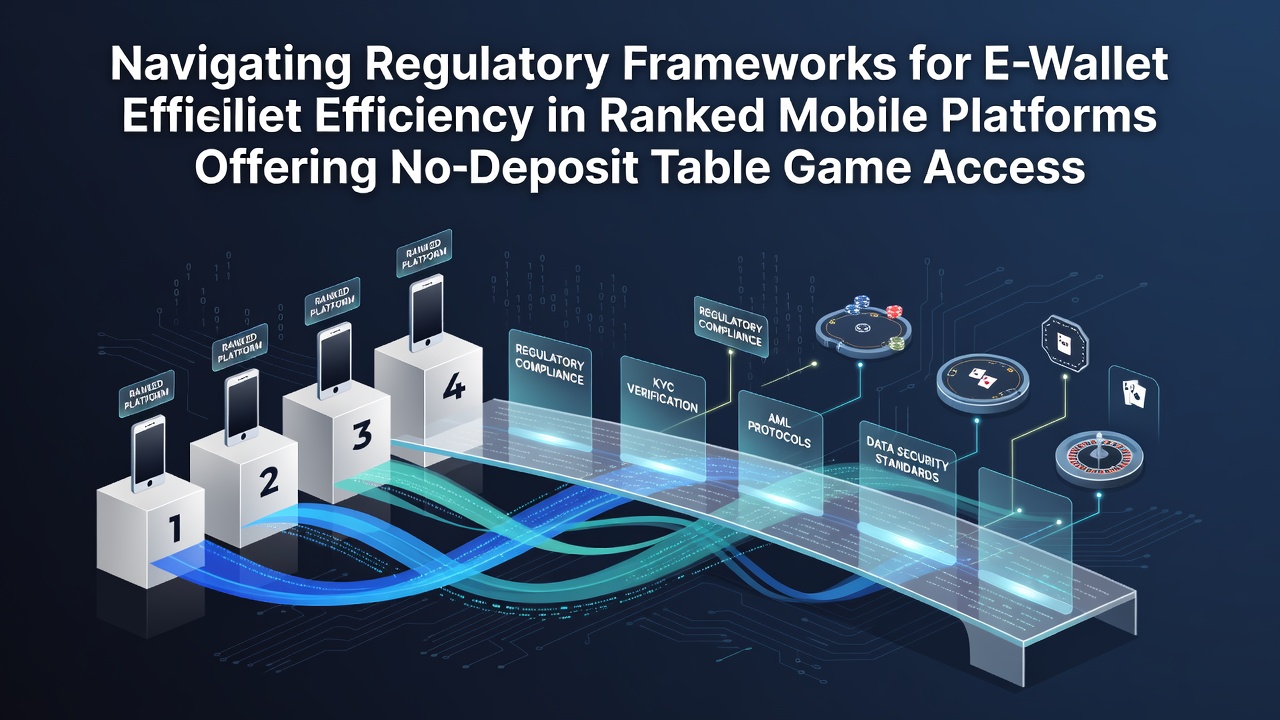
Understanding Oversight Mechanisms Governing Efficient Digital Wallets in Top Mobile Platforms for No-Deposit Table Games
Regulatory bodies across multiple jurisdictions establish clear guidelines that shape how mobile platforms integrate e-wallets while maintaining efficiency for users accessing no-deposit table games, and these rules often require platforms to verify transaction speeds without compromising security protocols. Platforms ranked highly in app stores and industry lists must align their payment systems with standards set by entities such as the New Jersey Division of Gaming Enforcement, which tracks digital fund movements to ensure compliance during bonus activations. Data from recent industry reports indicate that operators who streamline wallet processes under these frameworks see reduced latency in fund transfers for table game sessions.
Key Regulatory Components Affecting Wallet Operations
Observers note that licensing requirements in states like New Jersey and Pennsylvania demand detailed audit trails for every e-wallet transaction tied to no-deposit promotions, which forces developers to optimize backend systems for faster verifications. These mandates cover identity checks, transaction logging, and limits on promotional credits that appear in ranked mobile applications. Experts have observed that platforms incorporating multi-factor authentication maintain smoother operations while meeting these demands, especially when users switch between card tables and slot interfaces.
Certification processes through independent labs further influence how quickly wallets process no-deposit entries, since RNG validations and payout fairness tests often run parallel to payment reviews. Research indicates that delays in certification can extend activation windows for table game bonuses by several days, prompting operators to adopt automated compliance tools. In July 2026, several multi-state networks plan synchronized updates to their reporting systems ahead of new audit cycles, allowing ranked platforms to align e-wallet flows with upcoming data-sharing requirements.
Platform Ranking Criteria and Payment Integration
Ranking algorithms used by app stores and review aggregators factor in user feedback about transaction reliability, which indirectly pressures operators to refine e-wallet partnerships. Platforms that secure approvals from bodies like the Malta Gaming Authority demonstrate higher efficiency ratings because they implement standardized protocols for instant credit releases during no-deposit table game access. Studies from academic gaming research centers show correlations between swift payment handling and sustained user engagement across wireless networks.
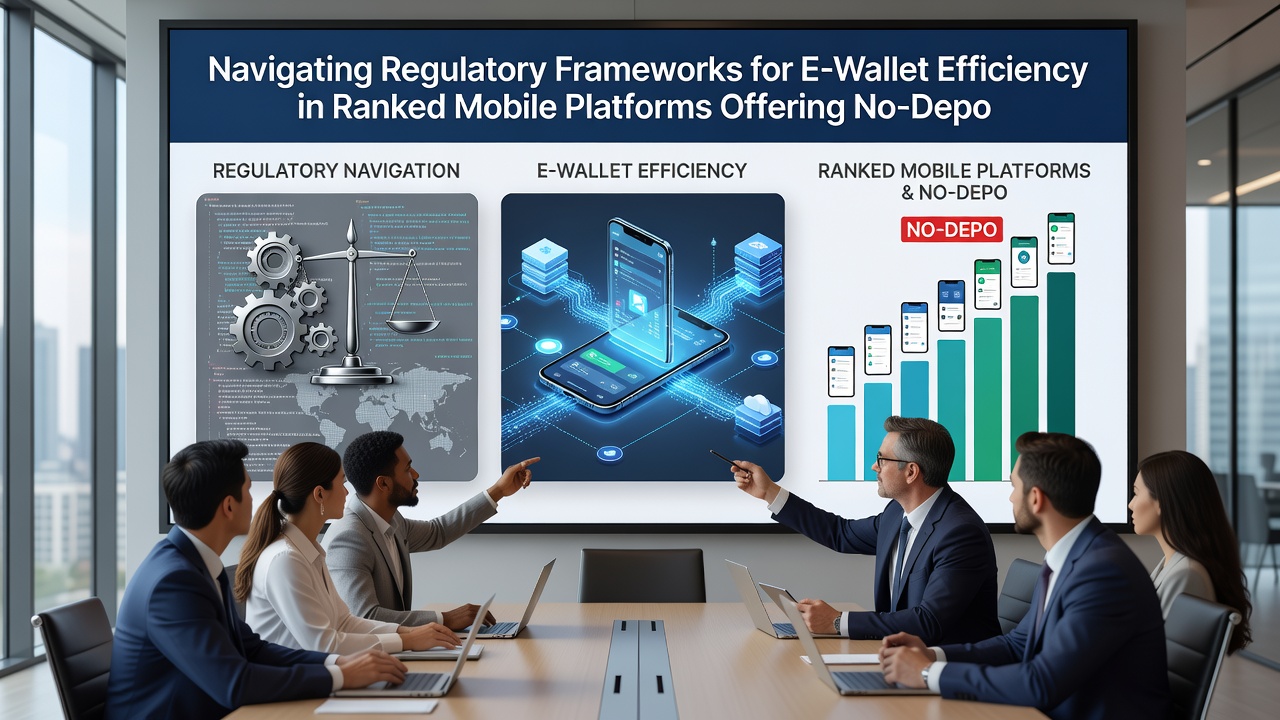
Those who've studied multi-state operations know that variations in state laws create layered challenges for national platforms, yet many succeed by maintaining separate compliance modules for each region. For instance, one operator expanded its no-deposit offerings after aligning wallet APIs with both Canadian provincial standards and Australian oversight models, resulting in measurable improvements in transfer times. Figures from trade association summaries reveal that platforms prioritizing these alignments rank higher in efficiency metrics tracked by independent evaluators.
Case Examples from Current Implementations
Take one platform that adjusted its e-wallet infrastructure following updates from the Nevada Gaming Control Board, which led to quicker verification for users claiming no-deposit table game credits. The changes involved encrypted data pipelines that reduced processing steps while preserving full audit capabilities. Another case involves a European operator that integrated wallet solutions certified under EU directives, allowing seamless access to ranked mobile titles without additional user friction during regulatory spot checks.
What's interesting is how these adaptations affect live table dynamics, where real-time betting requires immediate fund availability. Data shows that platforms with pre-approved wallet pathways handle higher volumes of no-deposit sessions without triggering compliance flags. Industry organizations tracking global trends note steady growth in such integrations as more jurisdictions formalize rules around digital payments.
Conclusion
Regulatory frameworks continue to define the boundaries within which e-wallet systems operate on ranked mobile platforms, and operators who map these rules effectively sustain efficient access to no-deposit table games. Ongoing developments through 2026, including coordinated reporting enhancements, will likely refine these processes further across regions. Platforms that reference guidelines from diverse authorities maintain competitive positioning while delivering consistent transaction performance.