Tracing Player Routes in Online Casinos Through Rankings, Mobile Transactions, and Game Options
Uma Vogel · Aug 19, 2026
Tracing Player Routes in Online Casinos Through Rankings, Mobile Transactions, and Game Options
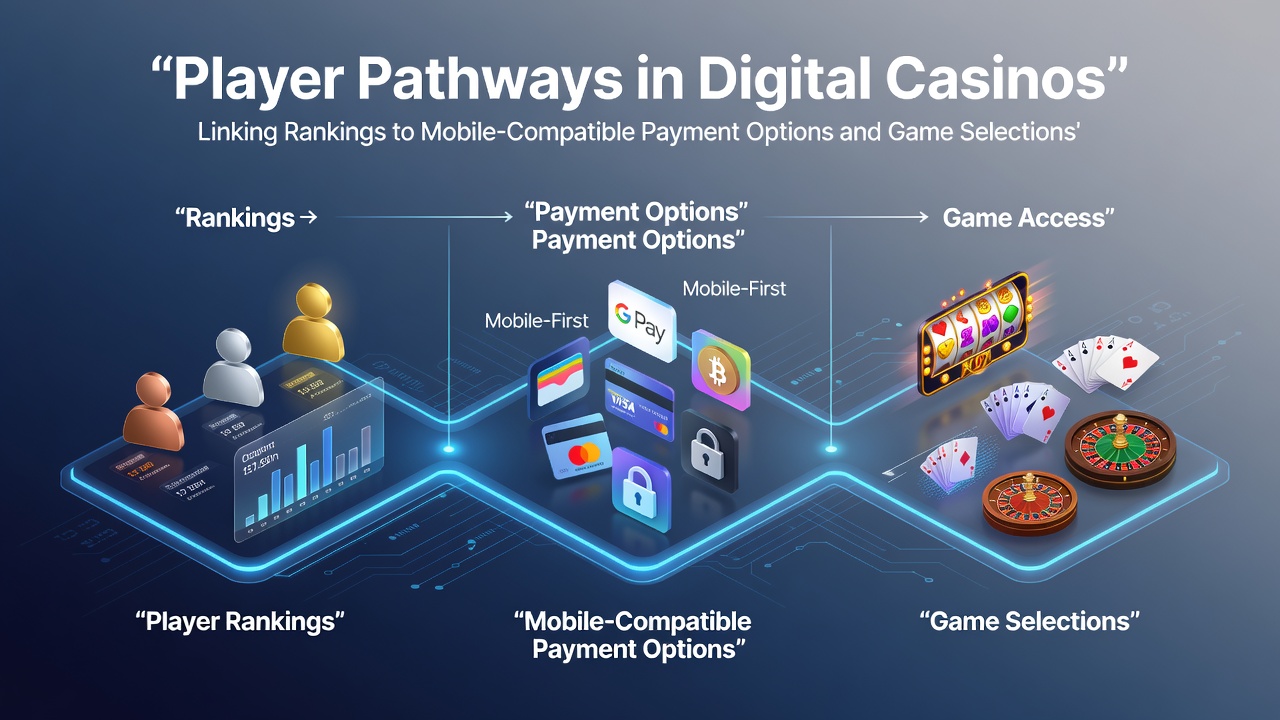
Digital casino platforms organize player pathways around rankings that reflect engagement levels, spending patterns, and activity metrics, while these systems connect directly to mobile-compatible payment options and curated game selections that adapt based on user profiles. Rankings function as structured tiers that determine access to specialized transaction methods and tailored game libraries, creating pathways that shift as players advance through loyalty structures. Data from regulatory bodies shows consistent patterns where higher-ranked users gain streamlined access to faster mobile transfers and expanded game catalogs that include progressive slots alongside table games optimized for portable devices.
Rankings as the Foundation of Player Pathways
Casino operators build ranking systems on algorithms that track deposit frequency, session duration, and game variety, and these metrics translate into tiered benefits that include priority mobile payment processing and exclusive game releases. Observers note that entry-level rankings often limit users to standard e-wallet options with basic verification steps, whereas advanced tiers unlock instant bank transfers and cryptocurrency integrations that reduce processing times on mobile networks. Research from the Alcohol and Gaming Commission of Ontario indicates that ranked progression correlates with increased mobile session lengths, as players unlock payment features that align with their preferred transaction speeds and security protocols.
Pathways evolve when rankings update in real time, and platforms adjust game selections accordingly by promoting titles that match the player's historical preferences within their current tier. This linkage ensures that mobile users encounter slot libraries and live dealer options filtered through ranking data, which streamlines discovery while maintaining regulatory compliance across multi-state networks. Figures from industry reports reveal that such dynamic adjustments occur most frequently during peak periods, including August 2026 when mobile traffic spikes aligned with summer tourism patterns in regulated markets.
Mobile Payment Options Tied to Ranking Levels
Payment compatibility expands with ranking advancement because operators integrate tier-specific processors that support instant deposits and withdrawals through apps, and these options range from digital wallets to direct carrier billing for lower tiers up to premium bank integrations for elite users. Studies show that mobile-compatible systems reduce friction by pre-authorizing transactions based on ranking history, which allows higher-tier players to bypass repeated verification while lower tiers follow standard security checks that comply with regional licensing requirements. Those who've examined transaction logs across platforms find that payment method availability directly influences retention rates, since users advance rankings faster when seamless options match their device preferences.
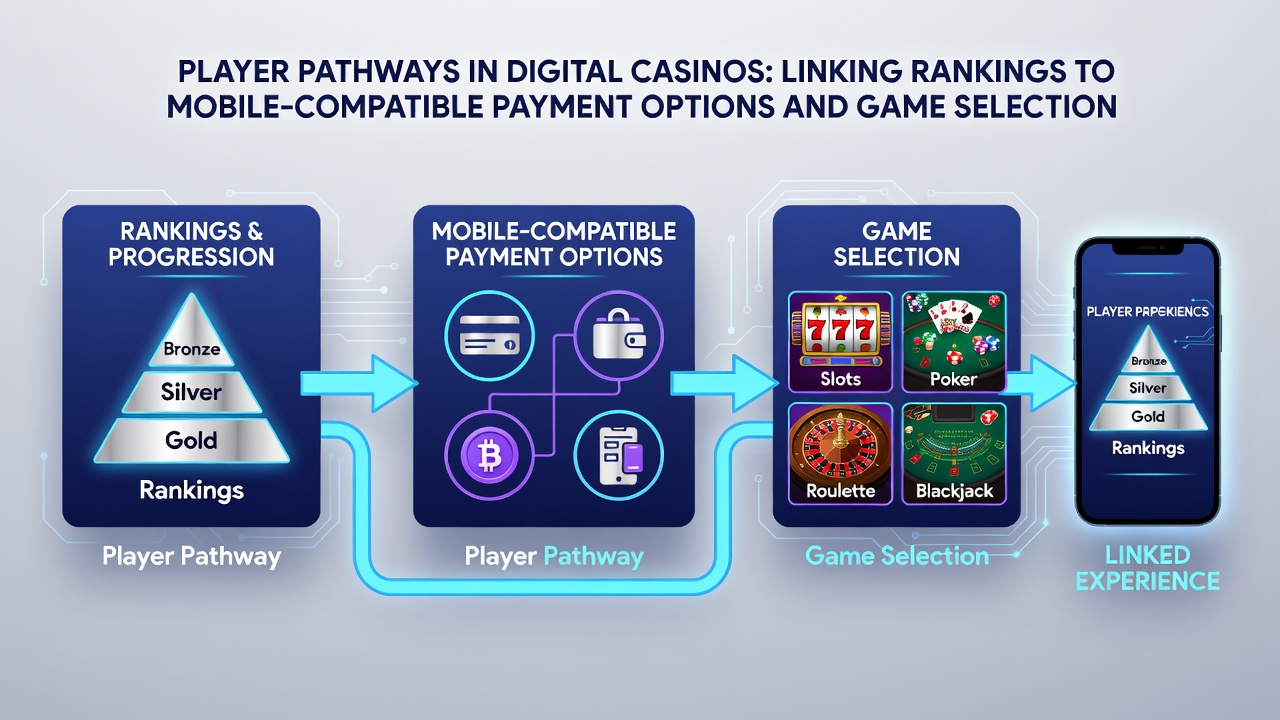
Connections between rankings and payments become evident in how platforms prioritize certain gateways, such as those offering zero-fee mobile transfers for mid-tier users, and these choices reflect broader trends in digital gaming where transaction speed serves as a key retention driver. Data from the New Jersey Division of Gaming Enforcement demonstrates that ranked pathways incorporating diversified mobile payments lead to higher completion rates for game sessions, particularly when users select from expanding libraries that include both classic and newly certified titles. What's notable here is the way operators audit these links to ensure compliance without disrupting the flow from payment selection to gameplay initiation.
Game Selections Shaped by Ranking and Mobile Access
Game catalogs adapt to ranking pathways through algorithms that surface mobile-optimized titles, and players at different levels encounter varying mixes of slots, table games, and live dealer experiences that emphasize features like touch controls and quick-load interfaces. Advanced rankings often grant early access to new releases and exclusive variants, while entry tiers focus on established popular games that require minimal bandwidth on wireless connections. Evidence from platform analytics indicates that such tailored selections improve engagement metrics because they align game complexity with the user's demonstrated skill level and device capabilities.
Pathways strengthen when game selections incorporate payment-linked bonuses, such as deposit matches available only through specific mobile methods tied to a player's rank, and this integration creates seamless transitions from transaction to play. Researchers have documented cases where ranking upgrades unlock progressive jackpot pools and multi-player formats previously restricted, expanding options without requiring separate navigation on mobile apps. The reality is that these mechanisms maintain balance across user bases by scaling availability according to verified activity data rather than uniform distribution.
Regulatory Influences on Integrated Pathways
Regulatory frameworks shape how rankings link to payments and games by mandating transparency in tier benefits and mobile transaction security, and authorities in various regions enforce standards that require clear disclosure of how rankings affect access. Platforms must demonstrate that game selections comply with certification processes while payment options meet encryption requirements for portable networks, which ensures pathways remain fair and auditable. Reports from the Australian Communications and Media Authority highlight that integrated systems perform better under oversight when rankings drive personalized yet compliant experiences across devices.
Operators respond by embedding compliance checkpoints into ranking progression, and these steps verify that mobile payments and game unlocks align with licensing conditions before activation. Observers note consistent application of these rules across global networks, where updates in one jurisdiction can influence pathway designs elsewhere through shared technology standards.
Conclusion
Player pathways in digital casinos emerge from the deliberate linkage of rankings to mobile-compatible payments and adaptive game selections, and this structure supports progression while meeting regulatory and operational demands. Data shows these connections enhance user navigation by aligning transaction efficiency with personalized game access, creating measurable patterns in engagement across platforms. As of August 2026, continued refinements in these systems reflect ongoing adaptations to mobile technology and licensing updates that keep pathways functional and secure for diverse player bases.