Tracing Encryption Frameworks and Verification Layers in Mobile Casino Bonus Processing
Hugo Schröder · Aug 19, 2026
Tracing Encryption Frameworks and Verification Layers in Mobile Casino Bonus Processing
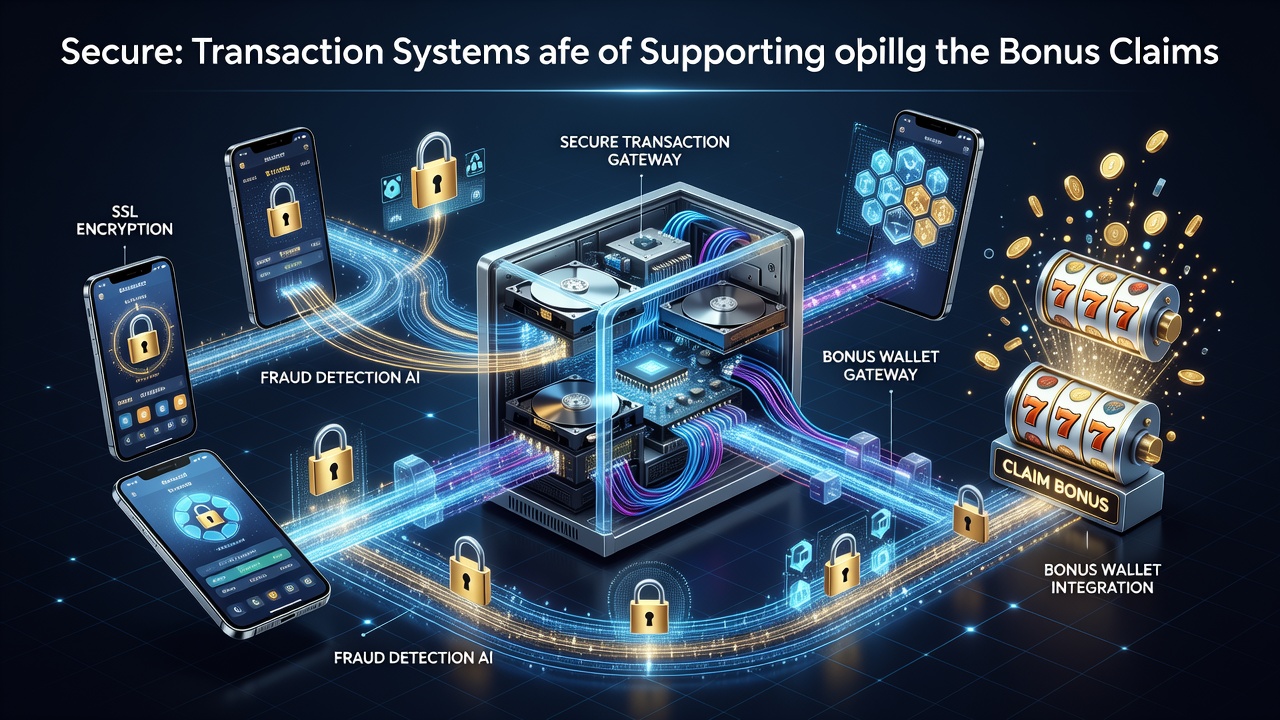
Secure transaction systems in mobile casino applications rely on layered encryption protocols that protect data during bonus claim submissions and fund movements, and developers integrate these measures to meet standards set by regulatory bodies across multiple jurisdictions. Systems process player requests for promotional credits through tokenized authentication sequences that prevent interception while maintaining compliance with data protection rules, and this approach supports real-time verification without exposing sensitive account details.
Core Components of Encrypted Transfer Pathways
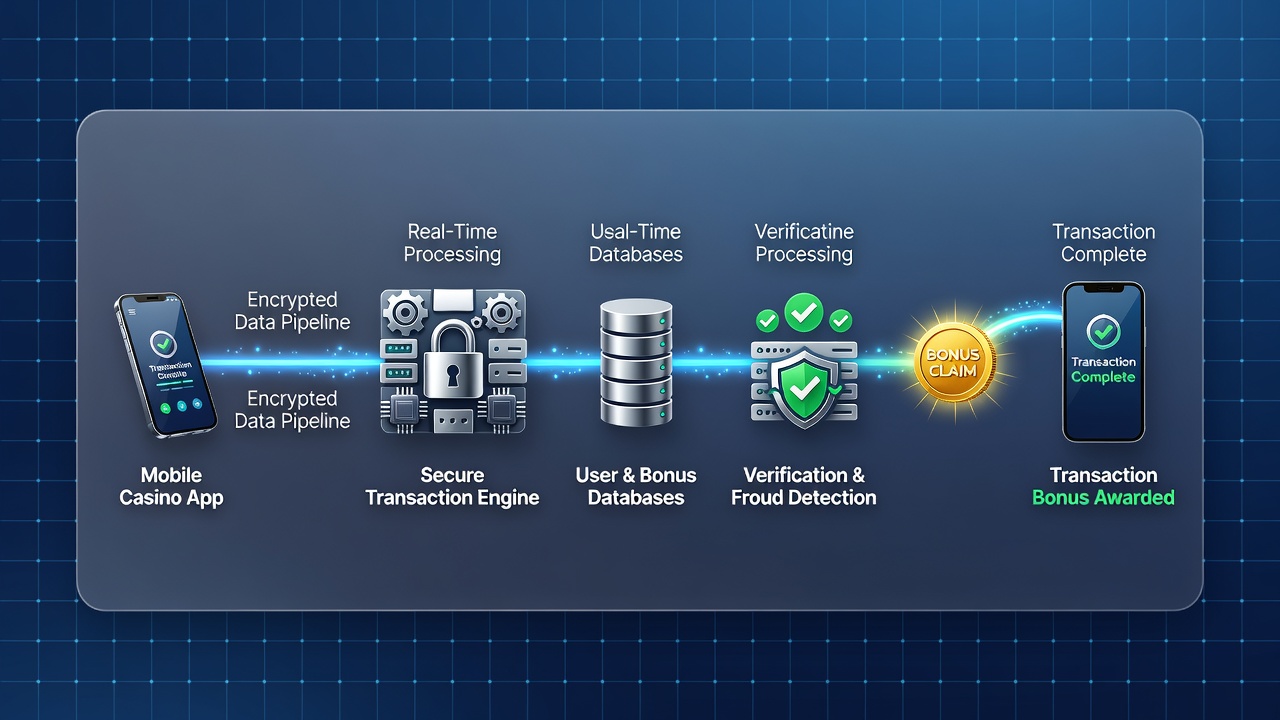
Transaction engines in these applications utilize AES-256 encryption alongside TLS 1.3 handshakes to secure communications between user devices and backend servers, while payment gateways add secondary tokenization that replaces card numbers with unique identifiers valid only for single sessions. Observers note that such combinations reduce exposure risks during bonus activation windows, and operators often deploy hardware security modules to store cryptographic keys away from main application environments. Data from industry reports indicates these methods handle thousands of concurrent claims during peak periods, and integration with e-wallet providers further segments transaction streams to isolate bonus-related activity from standard deposits.
Authentication Sequences and Real-Time Validation
Multi-factor checks form the backbone of bonus claim approvals, where systems combine device fingerprinting with one-time passcodes sent via SMS or authenticator apps before releasing promotional funds into player accounts. Researchers at institutions studying digital gaming security have documented how these steps block automated scripts that attempt mass claims, and operators in regions like Nevada maintain audit logs that track every verification step for regulatory review. In August 2026, several platforms updated their protocols to incorporate biometric confirmation on newer mobile operating systems, which shortened average processing times while preserving security thresholds.
Regulatory Alignment Across Jurisdictions
Compliance frameworks require mobile casino operators to align transaction security with guidelines from bodies such as the Nevada Gaming Control Board and the Malta Gaming Authority, and these entities mandate regular penetration testing plus independent audits of bonus distribution mechanisms. Figures from Canadian provincial regulators reveal that certified systems processed over 2.4 million bonus claims in the first half of 2026 without reported breaches tied to encryption failures, while Australian oversight reports highlight similar outcomes for apps serving international users. Nevada Gaming Control Board documentation details how audit trails must cover the full lifecycle from claim initiation to fund clearance, and this level of oversight extends to third-party payment processors that handle cross-border transfers.
Integration Challenges During High-Volume Periods
Network latency and device variability create obstacles when scaling secure systems for bonus redemptions, yet developers counter these issues with edge computing nodes that perform initial validations closer to the user before routing to central servers. Studies from gaming technology conferences show that adaptive load balancing maintains encryption integrity even when thousands of simultaneous claims occur during promotional events, and case examples from operators in New Jersey demonstrate reduced error rates after implementing such distributed architectures. Payment orchestration layers further coordinate with banking partners to flag anomalous patterns without delaying legitimate bonus releases.
Future Developments in Transaction Safeguards
Emerging standards emphasize quantum-resistant algorithms for long-term key protection, and testing programs underway in several European markets aim to validate these methods against projected computational advances. Data indicates current systems already achieve sub-second verification for most bonus claims when paired with robust identity checks, while ongoing collaborations between software firms and academic researchers continue to refine anomaly detection models that operate within encrypted environments. Observers point to increased adoption of zero-knowledge proofs that allow systems to confirm eligibility without revealing underlying player data.
Conclusion
Secure transaction systems supporting bonus claims in mobile casino applications combine established encryption standards, multi-layered authentication, and jurisdiction-specific compliance measures to enable reliable processing at scale. Continued refinements in response to regulatory updates and technological shifts sustain the operational integrity of these frameworks across global markets.