Security Benchmarks and Their Influence on Unlocking Incentives for Interactive Sessions in App-Based Gaming Networks
Uma Vogel · Jun 19, 2026

Security Benchmarks and Their Influence on Unlocking Incentives for Interactive Sessions in App-Based Gaming Networks
Security benchmarks establish standardized criteria for encryption strength, authentication protocols, and data integrity checks across digital platforms, and these measures directly shape how incentives become available during interactive gaming sessions on mobile applications. App-based networks rely on such benchmarks to verify user activity while maintaining compliance with regulatory frameworks that govern real-time interactions. Data from industry analyses indicates that platforms meeting higher security thresholds often unlock bonus structures faster because verification processes align with established risk assessment models. Observers note that benchmarks such as those outlined in the NIST Cybersecurity Framework provide measurable targets for protecting user sessions, and developers integrate these standards into app architectures to support seamless incentive distribution. In June 2026 several networks reported adjustments to their authentication layers following benchmark updates, which allowed certain interactive features to activate without additional delays. Research indicates that multi-factor verification tied to these benchmarks reduces unauthorized access attempts by measurable percentages while preserving the flow of session-based rewards.Core Components of Security Benchmarks in Gaming Applications
Encryption protocols form a foundational element within security benchmarks, and they require session data to meet specific bit-length standards before any incentive mechanism engages. Authentication systems further specify how device signatures and behavioral patterns confirm legitimate play, and this verification step gates access to layered rewards in many app networks. Independent testing labs evaluate compliance with these criteria through repeated audits, and the results determine whether a platform can offer progressive incentive tiers during live dealer or slot interactions.
Researchers have documented that benchmarks also address vulnerability management, and timely patch deployment prevents exploits that could otherwise interrupt reward unlocking sequences. Those who monitor network performance find that platforms adhering to ISO 27001 guidelines demonstrate consistent uptime for incentive features because their security controls undergo regular third-party validation. Figures reveal that such adherence correlates with higher rates of successful session completions across multi-state mobile environments.
How Benchmarks Shape Incentive Unlocking Mechanisms
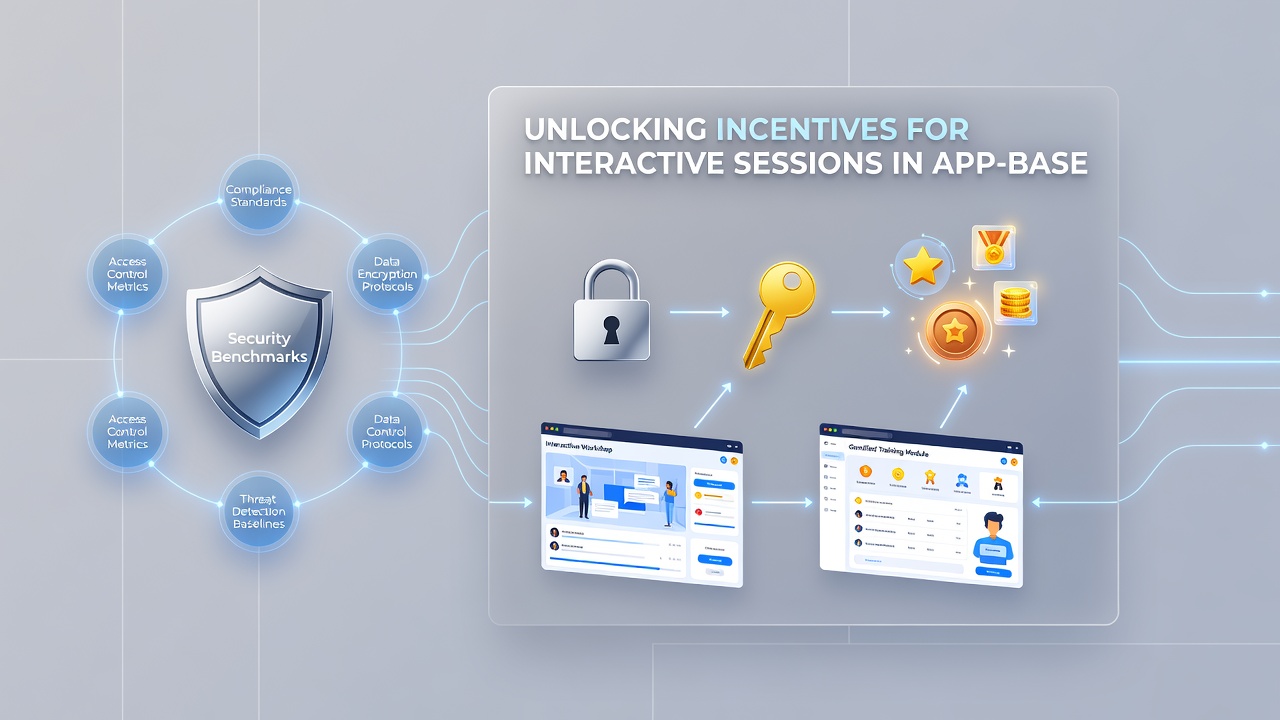
Unlocking incentives in app-based gaming networks depends on real-time security scoring, and benchmarks supply the algorithms that calculate whether a user's session meets eligibility thresholds. When encryption and access controls satisfy benchmark levels, systems automatically release no-deposit credits or bonus spins without manual intervention. Data shows this automated process reduces friction for users while satisfying regulatory requirements for responsible incentive distribution.
What's interesting is that dynamic benchmarks adjust scoring based on threat intelligence feeds, and this adaptability allows networks to maintain incentive availability even during periods of elevated risk. One study revealed that networks incorporating continuous monitoring benchmarks experienced fewer disruptions to reward activation windows compared with static systems. External sources such as reports from the National Institute of Standards and Technology detail how these scoring models integrate with payment verification to ensure funds and bonuses move securely during interactive card sessions.
Regulatory Alignment and Network Performance
Regulatory bodies across regions require gaming networks to align with security benchmarks before approving incentive programs, and this alignment influences how quickly new features reach users. In various jurisdictions authorities review audit trails generated by benchmark-compliant systems to confirm that incentive unlocking does not expose player data. Evidence suggests that networks passing these reviews can expand their reward offerings across additional states or territories without extended approval timelines.
Turns out that collaboration between developers and certification organizations produces benchmarks tailored specifically to mobile gaming environments, and these specialized standards address latency issues that affect real-time session rewards. Platforms that adopt such tailored benchmarks report smoother integration of live dealer mechanics with bonus activation. Observers note that geographic regulatory differences create varied benchmark requirements, yet core principles around data protection remain consistent across borders.
Impact on User Sessions and Network Scalability
App-based networks scale their incentive systems according to benchmark performance metrics, and higher compliance scores enable broader distribution of rewards during peak usage periods. Interactive sessions benefit when benchmarks support efficient load balancing because verification processes complete without creating bottlenecks. Industry reports indicate that these efficiencies translate into measurable increases in completed sessions per user over monthly cycles.
Those who've examined longitudinal data find that networks updating their benchmarks in response to emerging threats maintain higher incentive redemption rates. External analyses from organizations like the Interactive Games and Entertainment Association highlight how benchmark-driven security supports cross-device continuity for rewards earned in one session and claimed in another. This continuity proves essential for networks operating across multiple regulatory zones where incentive rules differ.
Conclusion
Security benchmarks continue to evolve alongside technological advancements in app-based gaming, and their influence on incentive unlocking remains central to network operations. Compliance with established standards enables platforms to deliver rewards reliably while meeting regulatory expectations for data protection. Ongoing refinements to these benchmarks ensure that interactive sessions can incorporate new features without compromising security thresholds or user access to incentives.