Secure Transfers Meet Mobile Live Play: Insights into Payment Options and Verification for Table and Slot Titles
Freya Carter · May 20, 2026
Secure Transfers Meet Mobile Live Play: Insights into Payment Options and Verification for Table and Slot Titles
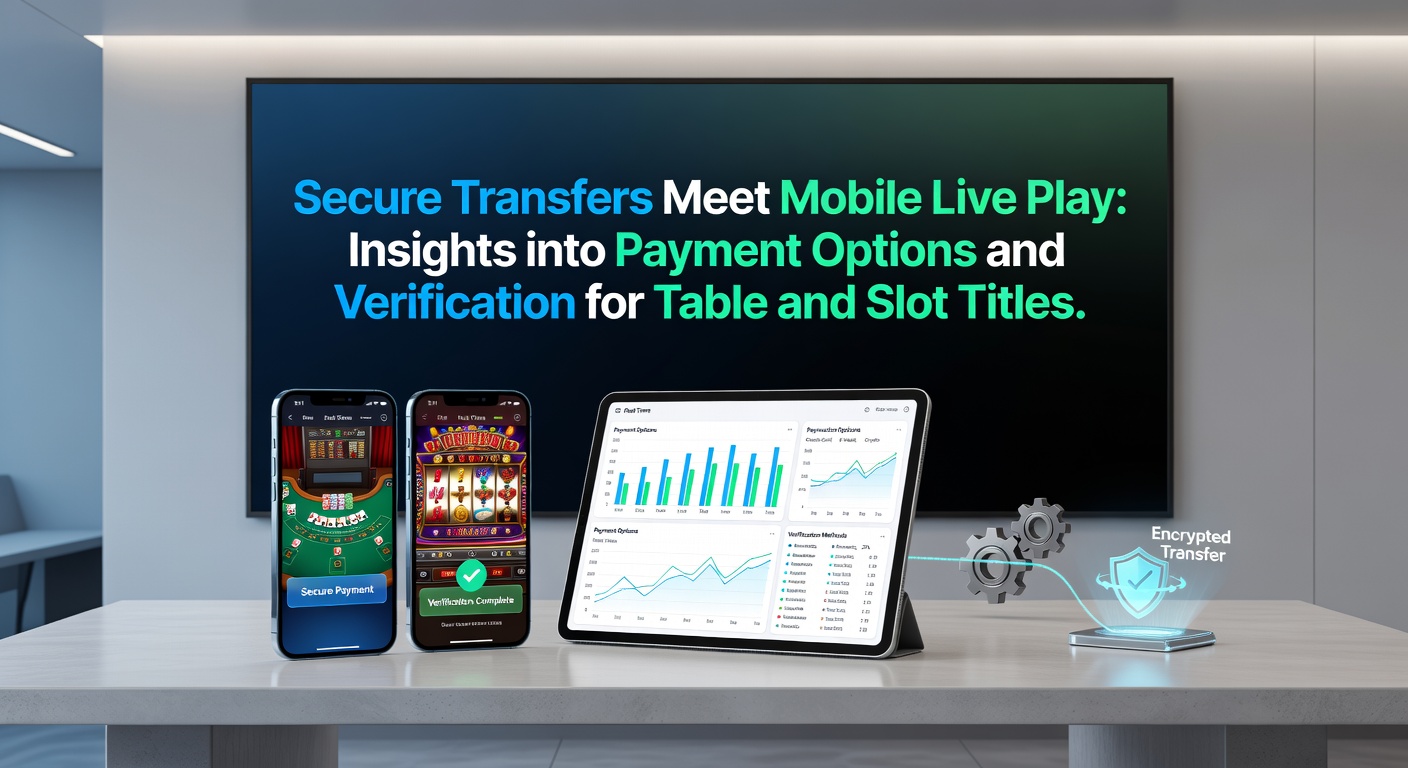
Payment systems for mobile live play continue to evolve as operators respond to growing demand for table games and slot titles accessed through smartphones and tablets; research indicates that secure transfers now incorporate multiple layers of encryption and real-time verification to protect user funds during live dealer sessions and automated slot spins. Observers note that platforms offering roulette, blackjack, and video slots have integrated payment gateways that support instant deposits and withdrawals while meeting regulatory standards across different jurisdictions, and data shows these systems reduce transaction times without compromising security protocols.
Payment Methods Supporting Live Table and Slot Experiences
Players frequently rely on e-wallets, credit cards, and bank transfers when funding mobile sessions that feature real-time table games or progressive slot machines; according to industry reports these options allow seamless movement between deposit screens and active gameplay without interrupting the flow of live dealer interactions or bonus rounds. Bank transfers often serve larger withdrawal amounts after extended play periods on slot titles, whereas e-wallets handle quick top-ups needed for spontaneous table game entries, and recent figures reveal that many operators now accept digital currencies alongside traditional methods to accommodate varied user preferences in May 2026.
Transaction speed matters especially during live sessions where table limits change rapidly or slot jackpots accumulate; researchers have documented cases where instant verification paired with e-wallet deposits lets participants join a blackjack table or spin a themed slot machine within seconds of funding their accounts. Those who study mobile gaming patterns point out that credit card options still dominate in certain regions because they offer built-in dispute resolution, yet bank transfers provide higher limits for users who prefer moving substantial winnings from live dealer roulette or high-volatility slots directly to personal accounts.
Verification Processes That Protect Mobile Transactions
Verification steps typically begin with identity checks that include government-issued documents and address confirmation before any funds move through the system; experts observe that these protocols prevent unauthorized access during mobile live play and ensure compliance with anti-money laundering requirements for both table and slot activities. Automated systems scan submitted information against databases while users remain logged into their accounts, allowing play to resume quickly once initial approval clears, and ongoing monitoring flags unusual patterns that might arise from repeated deposits into live dealer environments or extended slot sessions.
Additional layers such as two-factor authentication and biometric prompts add protection when players switch between devices or access different game categories; data from regulatory bodies indicates that platforms enforcing these steps experience fewer account-related incidents during peak mobile usage periods. In May 2026 operators continue refining these processes to balance security with convenience, particularly for users who alternate between live table games requiring real-time decisions and slot titles that reward frequent small wagers.
Regional Regulatory Influences on Payment Security
Regulatory frameworks shape how operators implement payment and verification features for mobile audiences; teh American Gaming Association tracks revenue data that highlights the role of secure systems in sustaining growth across state-licensed platforms offering live dealer table games and slots. Meanwhile, the European Gaming and Betting Association publishes reports showing how verification standards support cross-border mobile play while maintaining consumer protections in multiple markets.
Operators adapt these guidelines differently depending on the jurisdiction, yet common practices include mandatory cooling-off periods after large transfers tied to extended live sessions or jackpot wins on slot titles. Those monitoring the sector note that such measures help maintain trust as more users engage with mobile live play throughout 2026.
Future Developments in Secure Mobile Gaming Transfers
Technological advances continue to influence payment infrastructure for table and slot titles on mobile devices; blockchain-based verification pilots have appeared in select markets, offering transparent transaction records that appeal to users who value auditability during live dealer exchanges or progressive slot payouts. Studies indicate these innovations may reduce processing costs over time while preserving the speed required for uninterrupted mobile sessions.
Conclusion
Secure transfers combined with robust verification now form the backbone of mobile live play for table games and slot titles, enabling operators to meet both regulatory demands and user expectations for reliability. As platforms refine these systems in response to 2026 usage patterns, participants benefit from faster, safer access across diverse game formats without sacrificing the real-time elements that define live dealer experiences or the convenience of mobile slot play.