Safety Protocols Shaping Mobile Access to Interactive Dealer Sessions and Initial Bonus Structures
Xander Braun · May 17, 2026
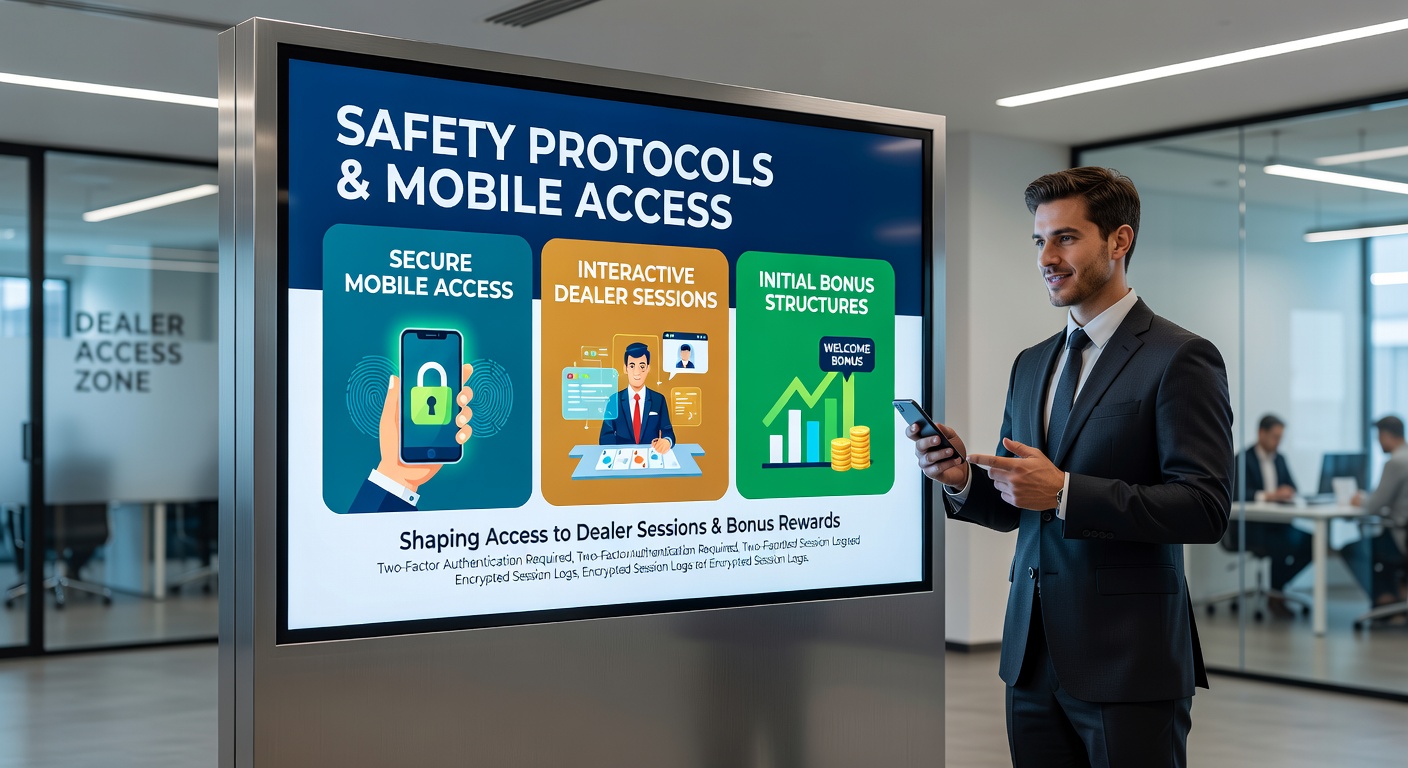
Safety Protocols Shaping Mobile Access to Interactive Dealer Sessions and Initial Bonus Structures
Regulatory frameworks continue to evolve across multiple jurisdictions as operators adapt mobile platforms to handle live dealer interactions while maintaining strict controls over initial bonus offerings, and these changes have gained momentum through spring 2026. Experts at the Nevada Gaming Control Board have documented how updated authentication layers now integrate biometric verification directly into app-based sessions, reducing unauthorized access attempts by measurable margins in quarterly reports released during May 2026.
Data from industry monitoring groups shows that encryption standards such as TLS 1.3 combined with token-based session management now form the baseline for connecting players to real-time dealer tables on smartphones and tablets. These measures address both network vulnerabilities and device-level risks, allowing seamless transitions between portrait and landscape modes without exposing player credentials or game state information. Observers note that many platforms also deploy behavioral analytics to flag unusual login patterns before granting entry to interactive sessions.
Authentication and Encryption in Mobile Live Dealer Environments
Multi-factor authentication protocols have become standard practice for mobile access to dealer-driven games, where players must combine device-bound credentials with one-time codes delivered through secure channels. Research conducted by academic teams at the University of Nevada, Las Vegas demonstrates that these layered approaches cut account takeover incidents significantly compared with earlier single-password systems. Developers incorporate end-to-end encryption so that video streams from physical tables remain protected during transmission, while also shielding chat functions and bet placement interfaces from interception.
Device fingerprinting adds another safeguard by analyzing hardware signatures and operating system configurations each time a user initiates a session. When inconsistencies appear, such as a sudden change in IP geolocation or rooted operating systems, the system can prompt additional verification or temporarily restrict access to bonus-eligible tables. This process keeps initial bonus structures intact because eligibility checks occur only after security gates have cleared the connection.
Integration of Bonus Structures with Security Requirements
Initial bonus structures now tie directly to these mobile security layers, with operators requiring completed identity verification before any promotional funds or free spins activate. Wagering requirements frequently reference real-time data feeds from the live dealer environment, ensuring that bonus play occurs only within authenticated sessions. Figures released by the Canadian Gaming Association indicate that jurisdictions enforcing such linkages have recorded higher compliance rates among operators who migrated their platforms in early 2026.
Bonus terms often specify minimum security thresholds, including mandatory updates to the latest app version and acceptance of push-notification alerts for suspicious activity. Players who meet these conditions gain immediate access to dealer tables where their bonus balance appears alongside standard chip counts. This integration prevents exploitation while preserving the promotional value that attracts new users to interactive formats.

Regulatory Oversight and Compliance Monitoring
Government agencies across North America and parts of Asia have aligned their audit schedules around these combined safety and bonus frameworks, conducting spot checks that examine both code integrity and player transaction logs. The Australian Communications and Media Authority has published guidance documents that outline how operators must document every security update affecting mobile dealer streams and bonus disbursement timelines. Compliance teams now perform regular penetration testing to verify that no vulnerabilities exist in the pathways linking verified accounts to live sessions.
These oversight mechanisms extend to third-party testing laboratories, which evaluate whether bonus structures remain fair when players access games through various mobile networks. Results from such evaluations feed into public dashboards that list operator status without revealing proprietary encryption details. Data compiled during the first quarter of 2026 revealed that platforms passing these audits experienced steadier player retention metrics than those requiring remedial work.
Future Directions in Protocol Development
Developers continue refining protocols that balance rapid mobile access with rigorous checks on bonus activation sequences. Emerging standards emphasize zero-knowledge proofs that confirm player eligibility without transmitting sensitive details across networks. Industry reports highlight pilot programs where artificial intelligence monitors dealer session quality alongside bonus usage patterns, flagging any deviations in real time.
Cooperation between regulators and technology providers has produced shared repositories of best-practice code snippets that address common mobile vulnerabilities. These resources help smaller operators implement enterprise-grade protections without building entire security stacks from scratch. As May 2026 progresses, several markets have announced upcoming consultations aimed at standardizing how initial bonuses interact with live dealer authentication flows across borders.
Conclusion
Protocols governing mobile access and bonus structures continue to mature through coordinated efforts among regulators, operators, and technology vendors. The combination of advanced authentication, encryption, and compliance monitoring supports secure participation in interactive dealer sessions while preserving the integrity of promotional offerings. Ongoing developments in 2026 reflect a broader industry commitment to measurable security outcomes that benefit all participants in regulated markets.