Platform Evaluation Benchmarks Influencing Mobile Gaming Promotions
Uma Vogel · Aug 2, 2026
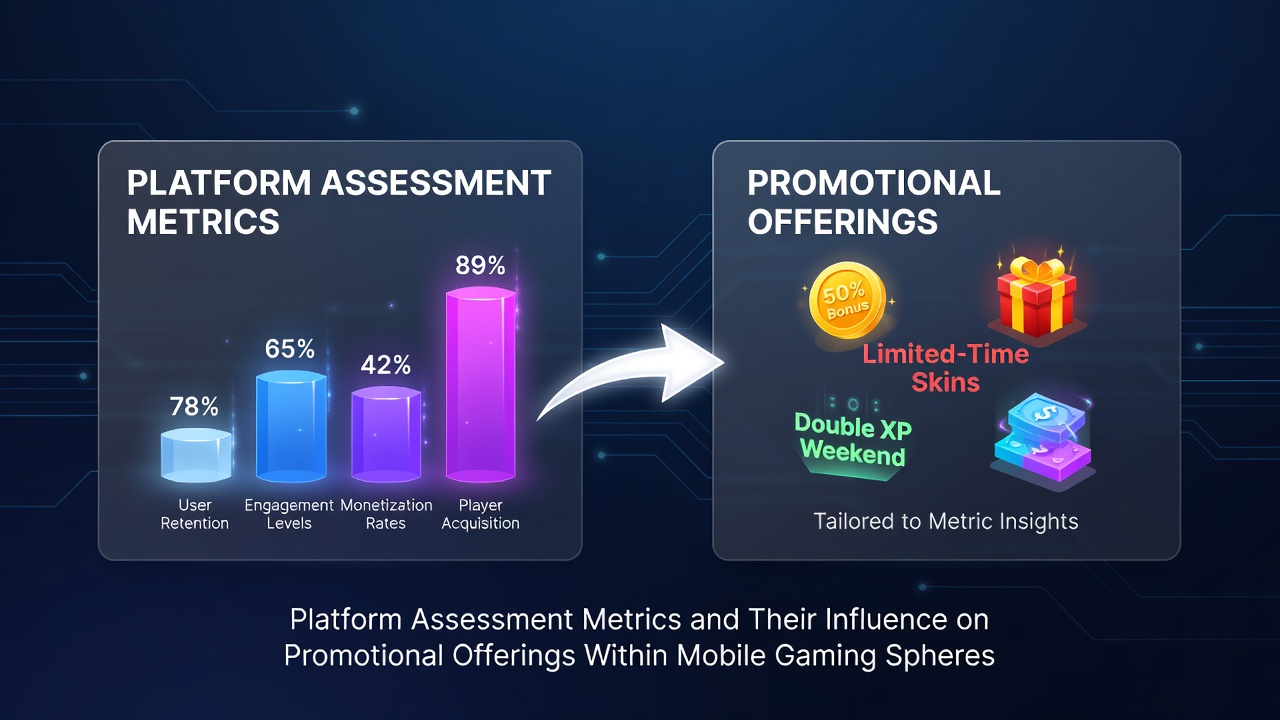
Platform Evaluation Benchmarks Influencing Mobile Gaming Promotions
Platform assessment metrics serve as the foundation for determining which promotional offerings appear in mobile gaming applications, and operators rely on specific data points to calibrate rewards, bonuses, and incentives across different user segments. These measurements include daily active users, session duration averages, retention rates at day seven and day thirty, as well as conversion percentages from free play to paid activity, and they directly shape how promotional structures get deployed in competitive markets.
Operators examine these indicators through integrated analytics suites that track player behavior across iOS and Android environments, while regional regulatory frameworks require transparent reporting on how such data informs bonus eligibility windows. In August 2026, updates from the Nevada Gaming Control Board highlighted increased scrutiny on mobile platform reporting standards, noting that accurate metric tracking supports fair distribution of promotional credits in multi-state networks.
Core Indicators Driving Promotional Design
Retention metrics often determine the scale and timing of no-deposit incentives, because platforms showing higher day-seven retention tend to allocate larger bonus pools to maintain momentum among newly acquired users. Conversion rates influence the structure of deposit-match offers, whereas average revenue per user calculations guide the introduction of tiered loyalty rewards that activate after specific play thresholds. Observers note that when session length data rises above established benchmarks, operators frequently expand real-time reward mechanisms such as instant cashback on table games or slot titles.
Engagement velocity, measured through spins or hands per hour, further refines which users receive targeted reload bonuses, and this approach allows platforms to differentiate offerings between high-frequency mobile players and those with intermittent activity patterns. Studies from the American Gaming Association demonstrate that platforms adjusting promotions based on these layered metrics experience measurable shifts in user lifetime value across North American markets.
Regional Variations in Metric Application
Different jurisdictions apply platform assessment standards in distinct ways that affect promotional availability, and regulators in Asia-Pacific regions emphasize compliance-linked metrics such as responsible gaming flag rates alongside revenue indicators. In contrast, North American frameworks prioritize cross-border data consistency for multi-state operators, which means promotional calendars must align with verified retention and engagement figures submitted quarterly. Those who monitor these systems report that platforms operating under stricter audit requirements often release smaller but more precisely targeted bonus windows to satisfy both regulatory and performance criteria.
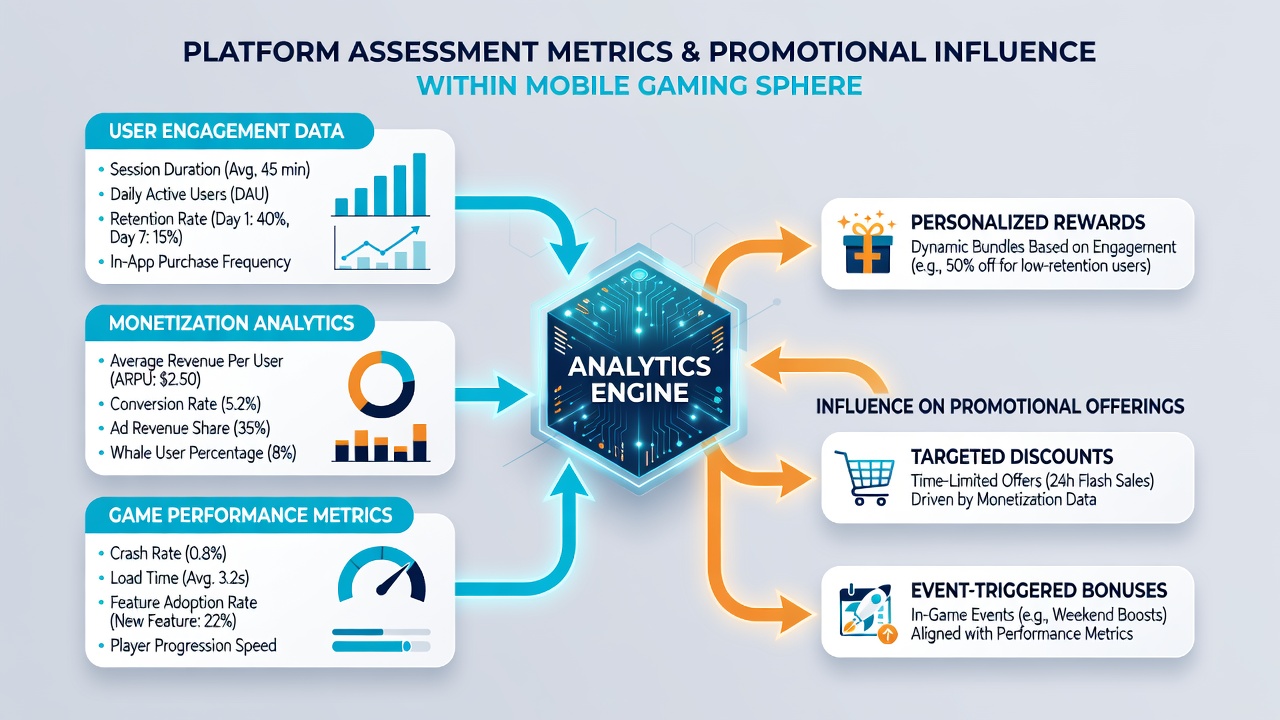
European operators outside the United Kingdom frequently reference guidelines from the Malta Gaming Authority when calibrating mobile promotions, and these standards require documented links between user activity metrics and bonus activation periods. Data shared through industry reports indicate that platforms incorporating such regional adjustments maintain steadier player bases during seasonal fluctuations, particularly when promotional offers tie directly to verified engagement thresholds.
Integration of Metrics with Live and RNG Content
Live dealer sessions and RNG-based games generate distinct metric profiles that influence separate promotional tracks, because live tables typically produce longer session durations while slot titles drive higher spin volumes in shorter bursts. Platforms use these differences to segment bonuses, offering table-game-specific incentives to users whose metrics show preference for interactive dealer formats and slot-focused rewards to those with rapid spin patterns. Research conducted by academic groups at institutions studying digital entertainment economics confirms that such segmentation improves overall retention when metrics guide the matching process between content type and promotional type.
Payment verification speed and deposit frequency also factor into metric models, and operators adjust welcome packages or reload structures accordingly to reward users whose transaction data aligns with sustained activity levels. This integration ensures that promotional offerings remain responsive to actual platform performance rather than uniform across all user cohorts.
Conclusion
Platform assessment metrics continue to shape promotional offerings in mobile gaming by providing quantifiable links between user behavior and reward allocation, and ongoing regulatory developments across multiple regions reinforce the need for precise data handling. As operators refine these systems, the connection between evaluation benchmarks and incentive structures grows more direct, supporting both compliance requirements and operational goals in an expanding mobile landscape.