Network Integration Driving Secure Transactions in Real-Time Slot and Card Gaming Platforms
Hugo Schröder · Aug 23, 2026
Network Integration Driving Secure Transactions in Real-Time Slot and Card Gaming Platforms
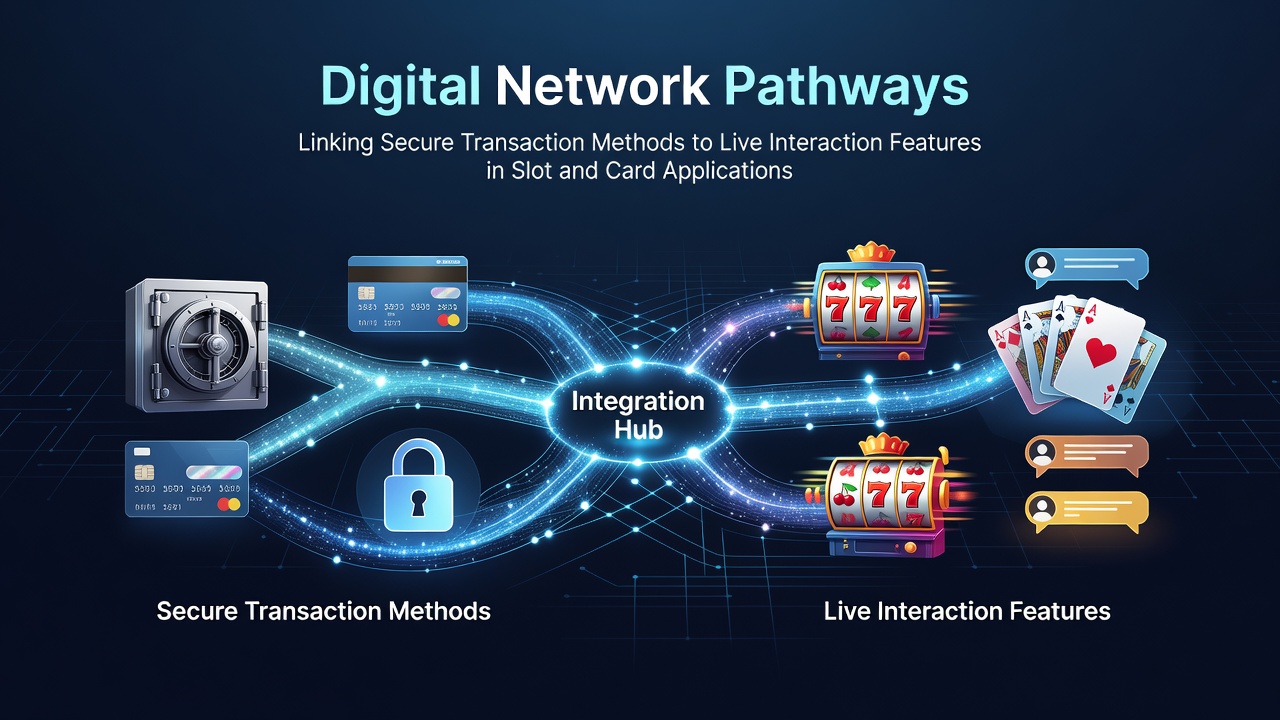
Digital networks now form the backbone of mobile gaming applications that combine slot machines with card-based titles, and observers note how these systems tie encrypted transaction channels directly to live dealer interfaces. Data from industry reports released in early 2026 shows that transaction verification occurs in milliseconds before players enter real-time sessions, which allows seamless shifts between automated reels and interactive tables without separate logins or delays.
Core Components of Secure Transaction Pathways
Payment gateways in these platforms rely on tokenization protocols that replace card details with unique identifiers, and researchers at multiple testing laboratories confirm this process meets standards set by independent auditors across North America and Asia. Those who monitor network traffic point out that end-to-end encryption protects data during transfers, while multi-factor authentication steps activate automatically when users switch from slot spins to live card rounds. Figures from regulatory filings indicate that such layers reduce unauthorized access incidents by measurable percentages in markets where mobile adoption exceeds desktop usage.
Linking Payments to Live Interaction Features
Live dealer modules activate only after transaction confirmation completes, and this sequence ensures funds sit in player accounts before any real-time interaction begins. Experts tracking application performance describe how API bridges connect banking processors to streaming servers, so balance updates appear instantly on both sides of the interface. In slot environments the connection remains backgrounded until a player triggers a bonus round, whereas card applications surface the link more visibly because table minimums require immediate fund checks before seating occurs.
August 2026 brought updated compliance checklists from several state gaming boards, and these documents outline required handshake timings between payment rails and live video feeds. One testing facility documented average verification windows under two seconds across major operators, which supports uninterrupted dealer interactions without visible buffering for users.
Application Examples Across Slot and Card Titles
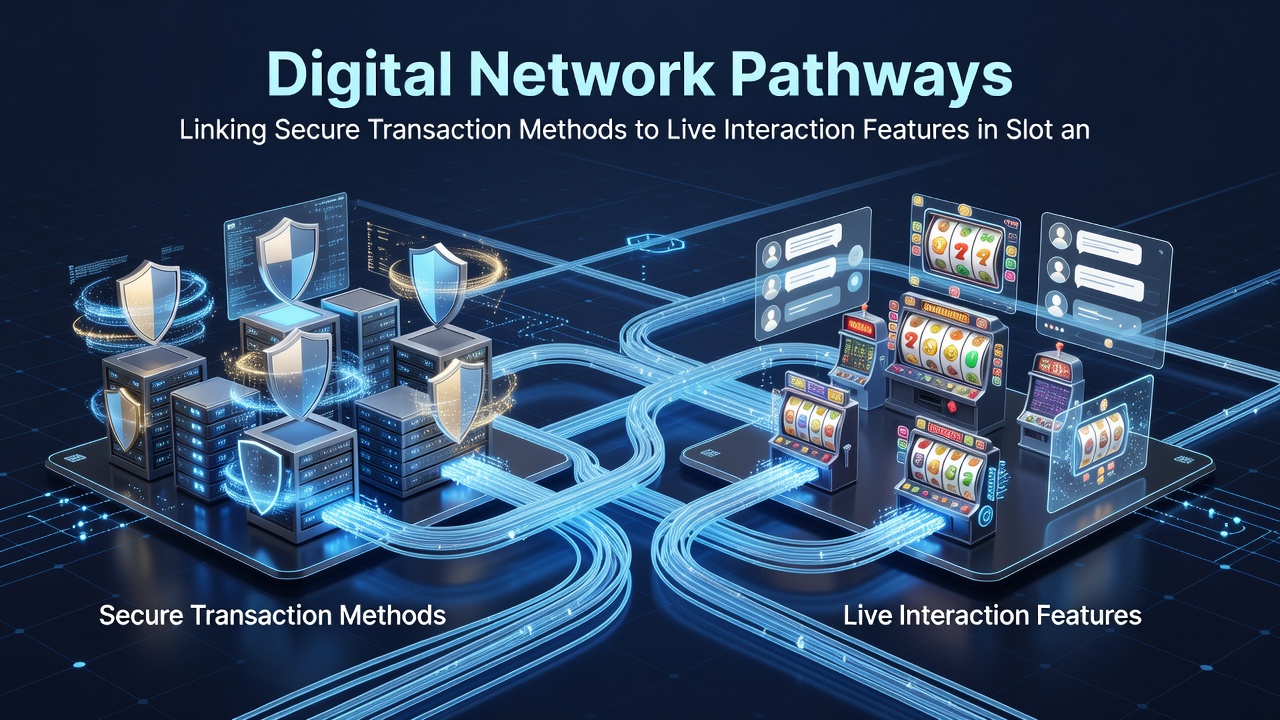
Slot applications often embed micro-transaction triggers inside bonus features, and network logs reveal that these triggers pull from the same verified wallet used for the initial session entry. Card titles, by contrast, route each bet through the live dealer server, which cross-checks the same tokenized account in real time. Industry organizations such as the American Gaming Association have published summaries showing that operators using unified pathways report higher session continuity rates compared with fragmented systems.
Another source of data comes from academic reviews conducted at institutions focused on digital infrastructure, where analysts measured latency between payment confirmation and video stream handoff. Their findings indicate that integrated pathways maintain sub-second response times even during peak evening hours in multi-state networks.
Regulatory and Technical Standards in 2026
State-level audits now require documented mapping of every transaction node to its corresponding live session identifier, and these trails help regulators verify that funds move only after identity checks clear. Canadian provincial bodies and Australian oversight agencies have aligned certain reporting formats this year, which allows operators to reuse certification data across borders without duplicating full audits. Observers note that this harmonization speeds deployment timelines for new live card features while keeping slot transaction security at equivalent levels.
Conclusion
Network pathways that bind secure payments to live interaction continue to evolve through standardized protocols and cross-jurisdictional data sharing. Evidence from 2026 filings shows measurable gains in verification speed and session stability, while independent laboratories maintain oversight of the underlying encryption layers. As mobile platforms expand their combined slot and card offerings, the documented integration methods provide the factual foundation for ongoing technical and regulatory alignment.