Mapping Regulatory Audit Trails to No-Deposit Slot Activation Windows Across Multi-State Mobile Networks
Hugo Schröder · May 24, 2026
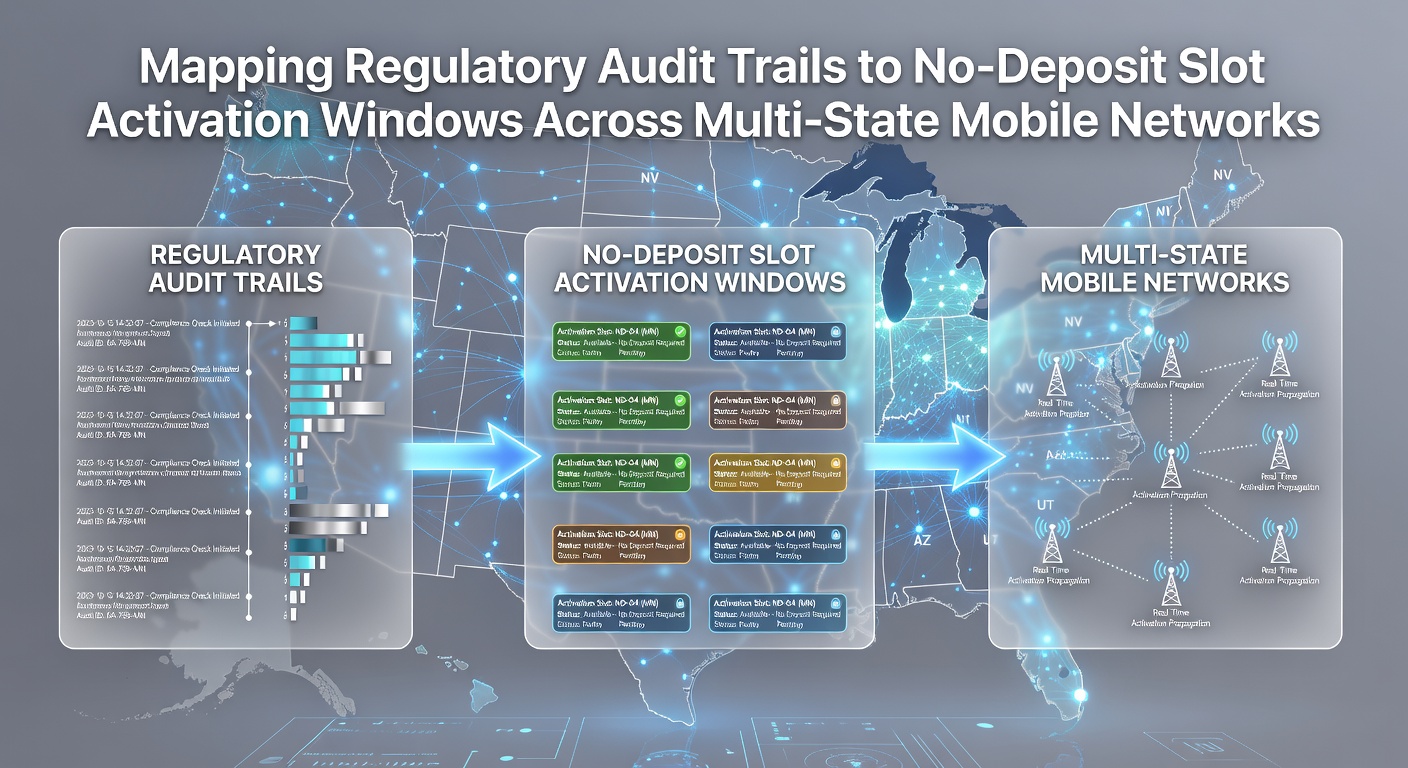
Mapping Regulatory Audit Trails to No-Deposit Slot Activation Windows Across Multi-State Mobile Networks
Regulatory frameworks in multiple U.S. states require operators to maintain detailed audit trails that document every step of no-deposit slot bonus activations on mobile platforms, and these records must align precisely with activation windows that vary by jurisdiction. Data from state gaming commissions shows that operators handling mobile slot traffic across borders must synchronize timestamped logs with activation parameters to demonstrate compliance during routine reviews.
Defining Audit Trails in Mobile Gaming Environments
Operators collect sequential records of player interactions, bonus eligibility checks, and network handoffs whenever a no-deposit slot feature activates on a mobile device. Researchers at academic institutions studying digital compliance note that each entry includes device identifiers, geolocation data, and session timestamps that regulators later cross-reference against activation windows permitted under specific state rules. Pennsylvania and New Jersey systems, for example, mandate that these trails capture every server-side validation step before a player gains access to free spins or credits without making an initial deposit.
Activation Windows and Their Regulatory Parameters
Activation windows represent fixed time intervals during which eligible players can trigger no-deposit slot features on mobile networks, and state rules dictate the length and conditions of those intervals. Figures released by the New Jersey Division of Gaming Enforcement indicate that windows in that state typically span between 24 and 72 hours from the moment a player completes identity verification, whereas Michigan regulations impose shorter durations tied to daily login cycles. Operators must map each window directly to corresponding audit trail entries so that any activation outside the approved period triggers an automatic compliance flag.
Cross-State Network Challenges
Mobile carriers route traffic through servers located in different states, which creates additional layers of logging that operators must reconcile with individual jurisdiction requirements. Observers at the National Council of Legislators from Gaming States have documented cases where a single player session crosses from one regulatory zone into another, requiring the audit system to split the trail and apply the correct activation window for each segment. Those who've studied these handoffs report that timestamp synchronization across cell towers and Wi-Fi nodes remains a recurring technical hurdle that state auditors examine closely during periodic examinations.
Technical Mapping Processes Used by Operators
Software platforms employed by multi-state operators translate regulatory rules into automated mapping scripts that attach unique identifiers to every no-deposit activation event. According to industry reports from the iGaming Compliance Association, these scripts pull data from player accounts, mobile device sensors, and backend bonus engines to generate unified records that satisfy multiple state formats simultaneously. One documented implementation links each activation window start time to a cryptographic hash stored in the audit trail, allowing regulators to verify that the window remained open only for the permitted duration.
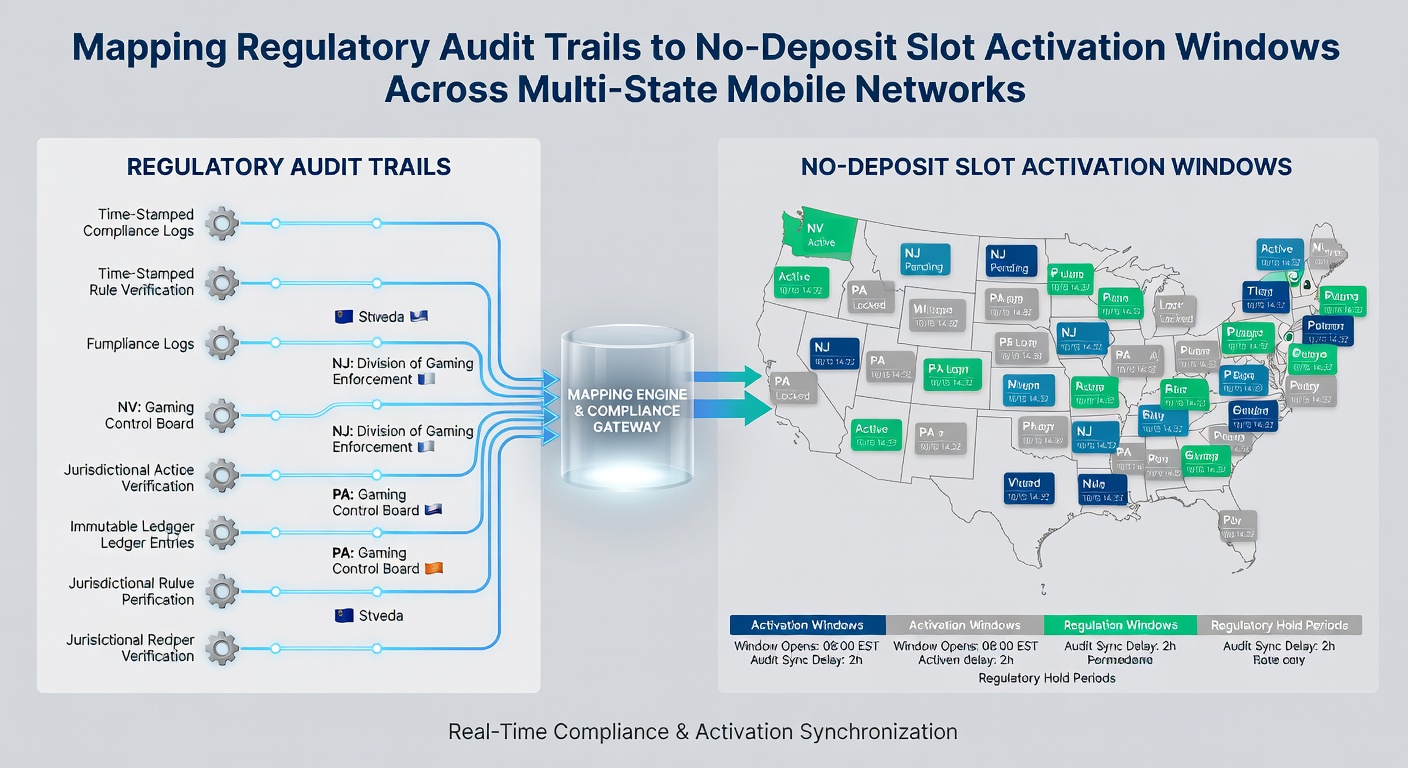
As of May 2026 several operators have begun testing enhanced mapping protocols that incorporate real-time geofencing updates whenever a device moves between states. Evidence collected during pilot programs in Illinois and Indiana demonstrates that these updates reduce the frequency of mismatched trail entries by aligning activation windows with the precise moment a player crosses a regulatory boundary. Regulators in those states now require operators to retain the updated geolocation logs alongside traditional timestamp data for a minimum of five years.
Compliance Verification Procedures
State auditors conduct both scheduled and random reviews that focus on whether audit trails accurately reflect the start and end times of each no-deposit slot activation window. Data shared by the Nevada Gaming Control Board reveals that reviewers compare trail entries against player session files and mobile carrier records to confirm that no unauthorized extensions occurred. When discrepancies appear, operators must supply additional metadata such as network latency measurements and server response times to demonstrate that the activation remained within approved parameters.
Multi-state operators maintain centralized dashboards that display compliance status across all active jurisdictions at once. Those dashboards pull live feeds from individual state portals and flag any activation window that approaches its regulatory limit, allowing technical teams to intervene before a violation registers in the audit trail. Reports from the European Gaming and Betting Association, which has examined similar cross-border systems abroad, indicate that centralized monitoring reduces the average time required to resolve mapping errors by approximately 40 percent.
Future Developments in Trail Mapping Standards
Industry working groups continue to refine data exchange formats that allow audit trails generated on one state's mobile network to transfer seamlessly when a player enters another jurisdiction. Proposals under discussion at the 2026 Multi-State Gaming Summit include standardized fields for activation window metadata that would eliminate the need for custom mapping scripts in many cases. Regulators in Connecticut and West Virginia have already signaled support for adopting these formats during their next rule revision cycles.
Conclusion
Mapping regulatory audit trails to no-deposit slot activation windows across multi-state mobile networks requires precise coordination between technical systems and varying state rules. Data from multiple regulatory bodies shows that operators who maintain synchronized logs and real-time geolocation updates achieve higher compliance rates during audits. Continued refinement of mapping protocols through 2026 and beyond will determine how efficiently the industry manages these requirements as mobile gaming expands into additional jurisdictions.