Licensing Variations Shape E-Wallet Integration in Mobile Slot Tournaments
Jordan Roth · Aug 21, 2026
Licensing Variations Shape E-Wallet Integration in Mobile Slot Tournaments
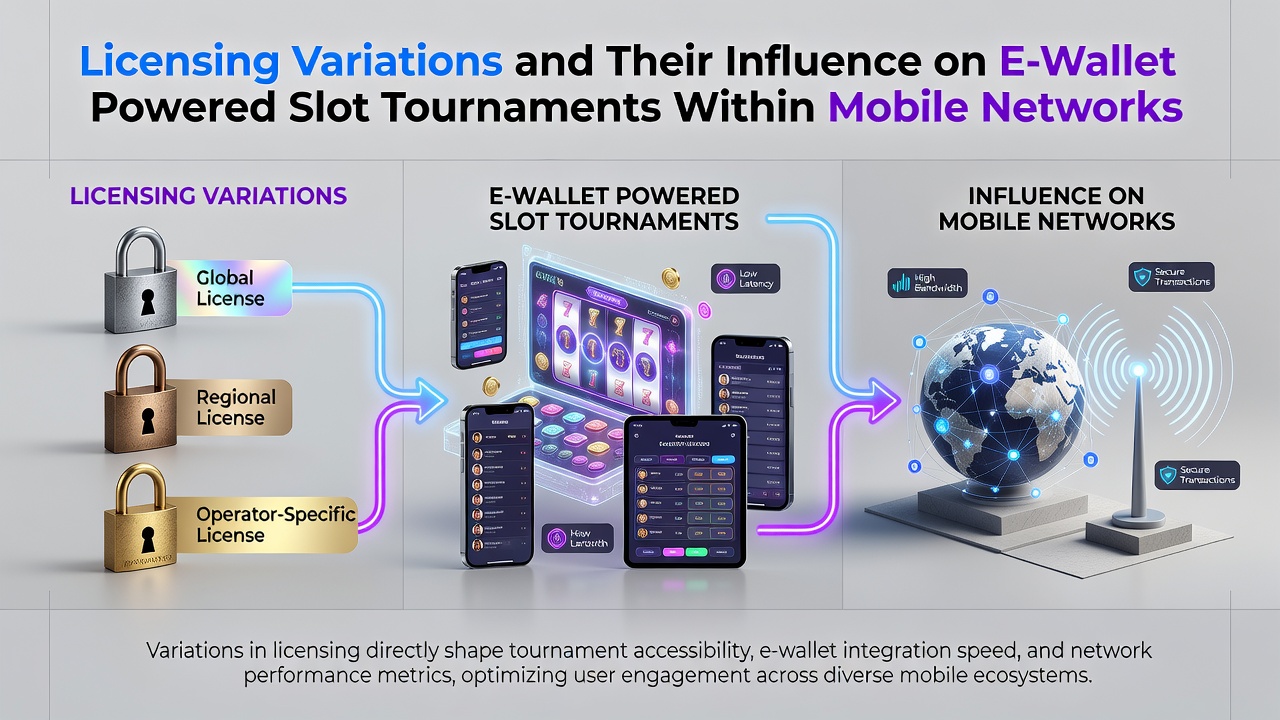
Regional licensing frameworks create distinct rules for how operators connect digital wallets to slot tournaments running on mobile networks, and these differences appear in transaction speed requirements, verification steps, and payout timelines. Jurisdictions maintain separate standards that dictate which e-wallet providers receive approval and how those providers must interface with gaming servers during live tournament play.
Core Elements of Licensing Frameworks
Each licensing authority sets its own criteria for financial technology partnerships, and these criteria directly control which e-wallet brands can process entry fees and prize distributions in mobile slot events. Some frameworks demand real-time reporting of every wallet transfer while others allow aggregated daily summaries, and operators adjust their tournament software accordingly to stay compliant. Data from the New Jersey Division of Gaming Enforcement shows that stricter reporting intervals correlate with fewer delayed payouts during multi-state mobile tournaments held in the first half of 2026.
Operators must also satisfy security certification levels that vary by region, and these certifications influence how quickly an e-wallet transaction clears before a player can enter a tournament bracket. Higher certification tiers often require additional encryption layers that add milliseconds to processing times yet reduce chargeback incidents across wireless networks.
Impact on Tournament Mechanics
Slot tournament formats rely on rapid re-entry options and instant leaderboard updates, yet licensing rules in certain markets limit how often an e-wallet can initiate a new buy-in within a single session. In markets with tighter liquidity rules, players encounter mandatory cooling periods between deposits, and tournament organizers respond by extending round durations to maintain fair competition. Observers note that these adjustments preserve player engagement while meeting local financial oversight mandates.
August 2026 brought renewed focus on cross-border mobile play when several jurisdictions updated their licensing language to address e-wallet interoperability, and operators began testing unified APIs that accommodate both strict and flexible reporting regimes. The changes allow a single tournament platform to host participants from multiple licensed regions without separate wallet instances for each jurisdiction.
Regional Contrasts in Practice
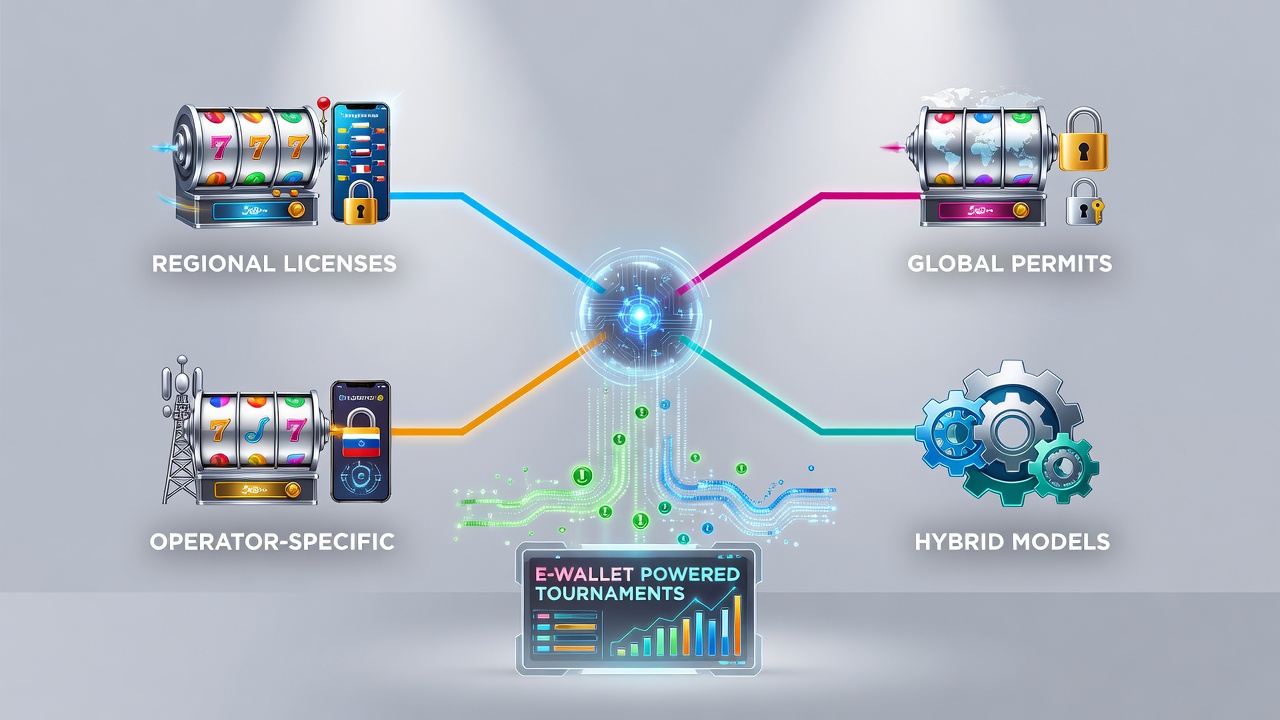
North American regulators tend to emphasize consumer protection through mandatory wallet provider audits, whereas Asia-Pacific authorities often prioritize transaction volume caps tied to licensing renewal cycles. One study released by the Alcohol and Gaming Commission of Ontario in early 2026 documented a 14 percent reduction in tournament dropouts after that province streamlined e-wallet approval for operators already holding full gaming licenses. The streamlined path shortened integration testing from 45 days to 21 days.
European markets outside the United Kingdom apply varying tax treatments to e-wallet prize pools, and these treatments affect how tournament prize structures are advertised across mobile applications. Operators in those markets structure entry fees to account for withholding requirements that differ from one member state to the next, and the resulting prize displays update dynamically based on the player’s detected location and the active license.
Network and Technology Considerations
Mobile network latency interacts with licensing-mandated verification steps, and operators deploy edge computing nodes to keep total transaction time within acceptable windows. When a license requires two-factor confirmation for every deposit above a set threshold, the added authentication round trips must still complete before the next tournament spin begins. Technical teams therefore pre-cache wallet session tokens on compliant servers to offset the extra security checks.
Progressive jackpot pools linked to slot tournaments face additional scrutiny under some licenses, and these pools must demonstrate segregated fund handling that e-wallets satisfy through dedicated sub-accounts. Certification reports track the movement of these funds across mobile sessions, and any deviation triggers automated compliance alerts sent to both the operator and the licensing body.
Conclusion
Licensing variations continue to dictate the precise technical and procedural boundaries within which e-wallet powered slot tournaments operate on mobile networks. As jurisdictions refine their requirements, operators maintain parallel compliance modules that activate based on player location and network conditions. The resulting environment supports consistent tournament experiences while satisfying the distinct regulatory priorities of each licensed region.