Integrated Transaction Networks Enabling Protected Live Dealer Interactions on Portable Devices
Xander Braun · Jul 22, 2026
Integrated Transaction Networks Enabling Protected Live Dealer Interactions on Portable Devices
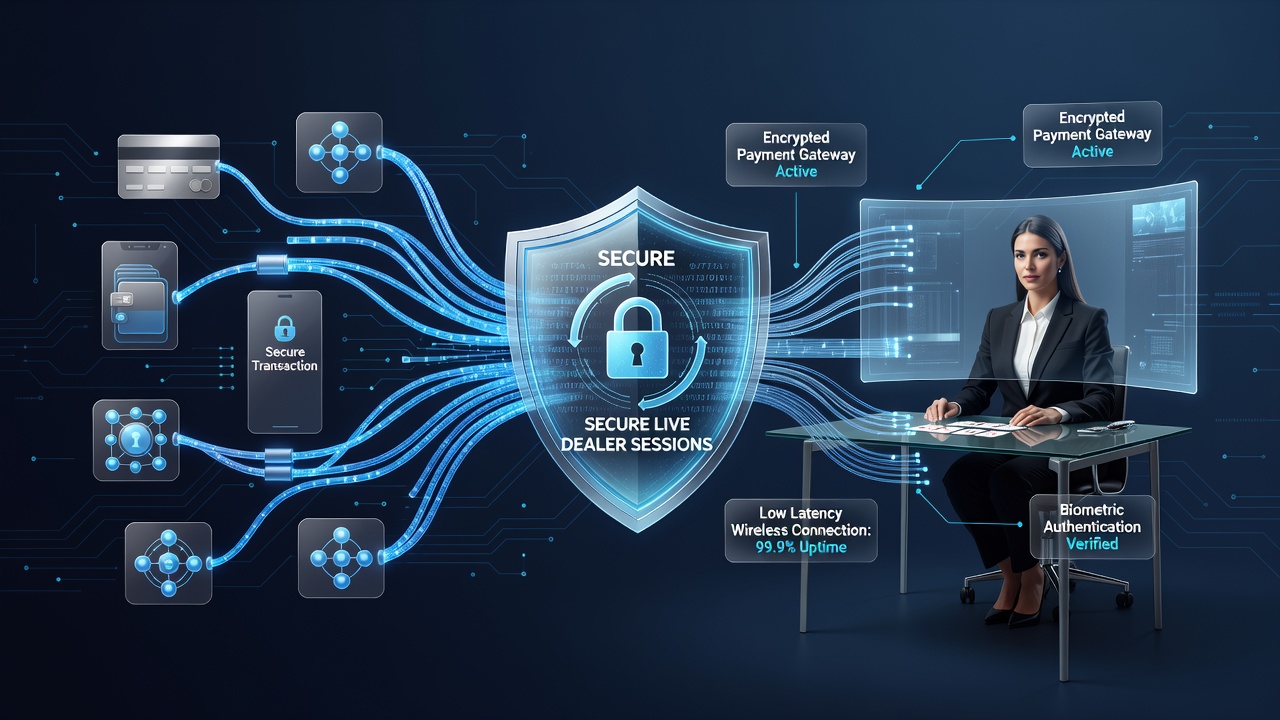
Payment networks now operate as linked frameworks that connect financial institutions, processors, and gaming platforms to support live dealer sessions on wireless devices, and these systems handle verification steps before any table interaction begins. Data from regulatory filings shows transaction volumes in mobile gaming sectors increased steadily through early 2026, with wireless platforms accounting for a growing share of real-time dealer activity across multiple jurisdictions.
Core Components of Linked Payment Architectures
Banking institutions feed into centralized processors that route funds through encrypted channels, while specialized gaming gateways manage session-specific authorizations. Researchers at the University of Nevada, Las Vegas documented how these layers reduce latency during card shuffles and wheel spins by pre-authorizing micro-transactions in advance. Observers note that multi-party verification occurs in milliseconds, allowing dealers to proceed without interruption on devices connected to 5G networks or Wi-Fi hotspots.
Wireless carriers contribute additional routing protocols that maintain session continuity when users switch between towers or move between coverage zones. According to reports issued by the Australian Communications and Media Authority, such carrier-level handoffs preserve transaction integrity by embedding unique session tokens that gaming platforms recognize instantly.
Security Measures Embedded in Wireless Transaction Flows
Tokenization replaces card details with single-use codes that expire after each dealer round, and biometric checks on mobile devices trigger these replacements before funds reach the table. Studies conducted by the Federal Reserve Bank of Boston indicate that platforms using dynamic token systems recorded fewer disputed charges during live sessions compared with static credential methods. Encryption standards evolve continuously, with processors applying updated algorithms to data packets traveling between player devices and dealer studios.
Real-Time Authorization During Active Play
Authorization requests travel through interconnected ledgers that confirm available balances while the dealer distributes cards or spins wheels. When a player places a bet mid-round, the system cross-checks the request against prior session data to prevent duplicate or altered amounts. Experts at the European Gaming and Betting Association have tracked how these checks integrate with regulatory audit logs, creating traceable records that satisfy compliance requirements in several North American and Asian markets.
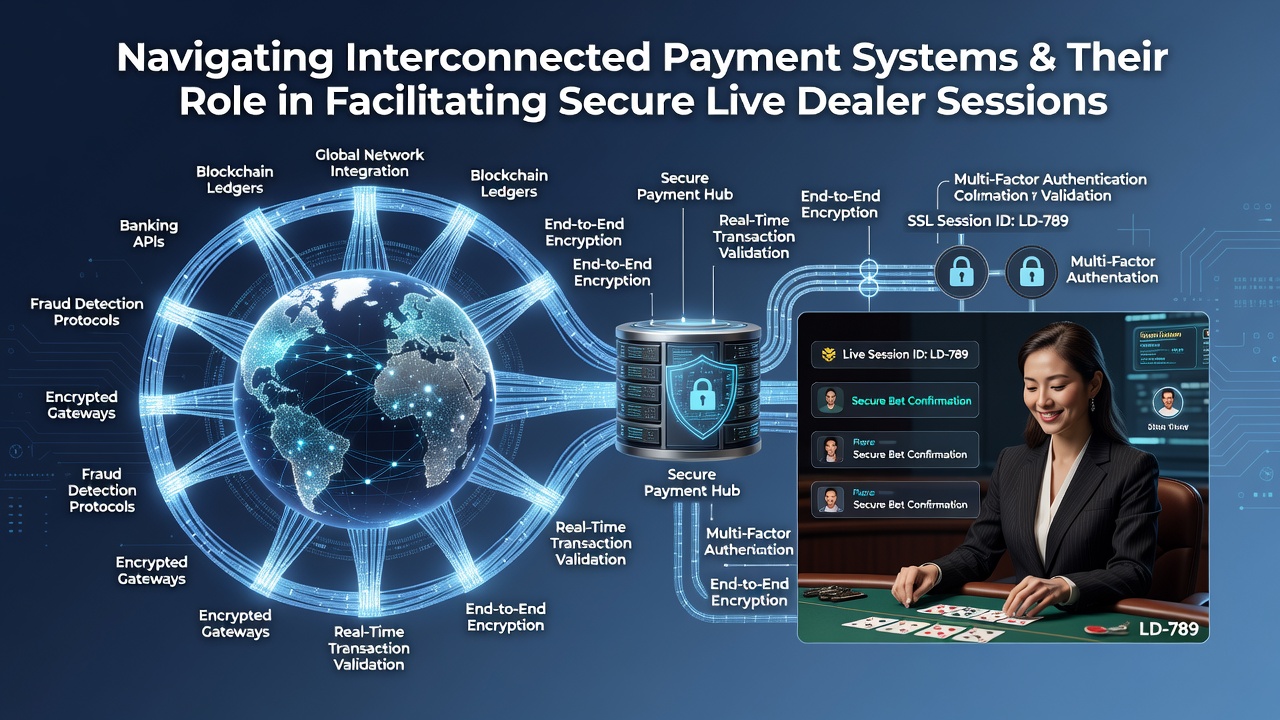
Platforms operating in July 2026 continue to refine these flows in response to updated technical standards released by international standards bodies. One case involved a Southeast Asian operator that synchronized its payment gateway with local telecom infrastructure, resulting in faster settlement times for players located in remote coverage areas.
Regional Variations in Network Integration
Different markets apply distinct rules to how payment rails interface with live dealer software. Canadian provincial regulators require separate licensing for payment processors that serve wireless gaming platforms, whereas certain U.S. states bundle these approvals under broader gaming control board oversight. Figures released by the American Gaming Association reveal that states permitting mobile live dealer play reported higher average transaction values per session once processors adopted unified API standards.
Payment method availability also differs by region. E-wallets dominate in some Asian markets because they connect directly to local banking networks, while credit and debit cards remain primary options in parts of Europe and North America. Each method passes through the same interconnected verification layers before reaching the dealer interface.
Challenges and Technical Adjustments
Network congestion during peak evening hours can delay authorization confirmations, prompting platforms to implement priority queuing for live dealer traffic. Technicians adjust routing tables in real time to prioritize packets carrying gaming authorizations over general data. Industry reports document that these adjustments maintain sub-second response rates even when thousands of simultaneous sessions run across a single carrier's infrastructure.
Device compatibility adds another layer of complexity. Older smartphones sometimes lack the processing power to handle both video streams and background payment verifications, so platforms provide fallback modes that reduce video quality while preserving transaction security. Data collected by the Mobile Payments Association shows that such adaptive configurations increased successful session completions on legacy hardware by measurable margins.
Conclusion
Interconnected payment systems form the operational backbone that keeps live dealer sessions secure and continuous on wireless platforms. As networks expand and technical standards advance, these frameworks adapt through layered verification, token management, and regional compliance structures. The result is a transaction environment that supports real-time play while meeting the requirements of regulators and financial institutions across multiple time zones.