Exploring Shifts in Game Selection Criteria Driven by Licensing Updates in Portable Casino Applications
Uma Vogel · May 31, 2026
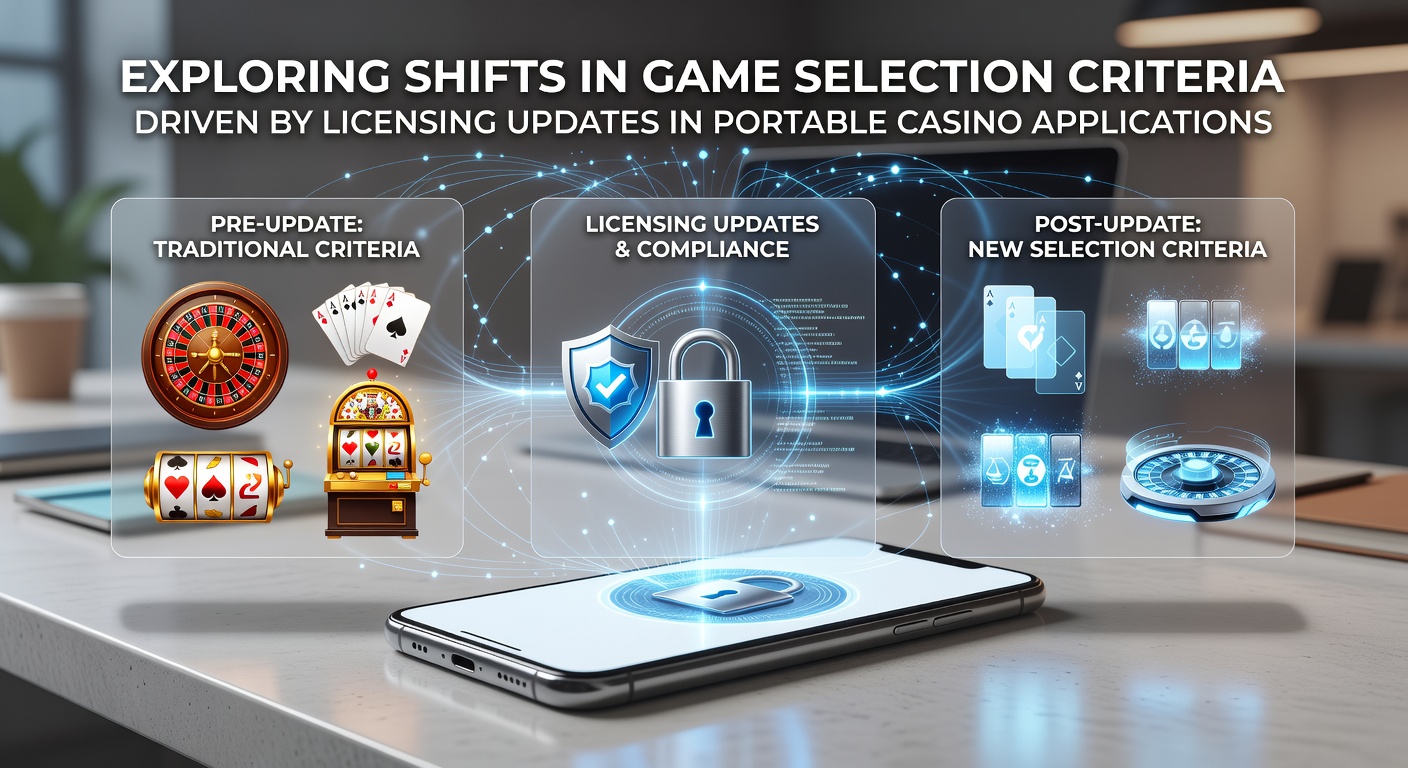
Exploring Shifts in Game Selection Criteria Driven by Licensing Updates in Portable Casino Applications
Portable casino applications continue to evolve as licensing frameworks receive periodic revisions across multiple jurisdictions, and developers adjust their game portfolios accordingly. These updates often introduce new compliance requirements for random number generators, player verification systems, and responsible gaming tools, which in turn influence which titles operators choose to feature prominently on mobile platforms. Observers note that selection criteria now emphasize technical compatibility with these standards rather than relying solely on popularity metrics from earlier periods.
Regulatory Changes Reshaping App Development
Licensing bodies in several regions implemented fresh guidelines during early 2026, and these modifications prompted providers to reassess their offerings for portable devices. Data from industry reports shows that applications must now demonstrate enhanced encryption protocols and real-time auditing capabilities before receiving approval for distribution. As a result, game developers prioritize titles that integrate seamlessly with these systems, leading to a measurable decline in older slot machines lacking updated certification pathways.
One notable shift involves the preference for games equipped with built-in session timers and spending limit prompts, features that align directly with revised licensing mandates. Research indicates that operators in states with active mobile frameworks have begun favoring such content because it reduces the administrative burden during renewal processes. This pattern emerged clearly by May 2026, when several major platforms rolled out refreshed libraries reflecting these priorities.
Impact on Game Categories and Provider Choices
Table games and live dealer experiences gained traction in selection processes because they typically support advanced verification layers required under new rules, whereas certain video slots faced delays until providers could retrofit their software. According to figures from the Nevada Gaming Control Board, mobile applications saw a 22 percent increase in approved live dealer variants between January and May 2026 compared with the previous year. Those who've tracked these trends point out that the change stems from licensing updates that demand verifiable dealer interactions and transparent payout mechanisms.
Slot titles remain popular yet undergo stricter vetting, with emphasis placed on adjustable volatility settings and integration with third-party monitoring tools. Experts have observed that providers such as those supplying content to multi-state networks now include modular code structures, allowing quick adaptation when licensing conditions evolve. This approach minimizes downtime during transitions and helps maintain compliance across different regulatory environments.

Regional Variations in Selection Practices
Jurisdictions apply licensing updates at different paces, creating varied landscapes for game availability on portable apps. In areas where regulators require annual re-certification of all titles, operators concentrate on a narrower range of games that demonstrate consistent performance across audits. Data shows this leads to longer lifecycles for compliant products and quicker removal of those that fail updated tests.
European markets, for instance, have introduced cross-border recognition agreements that reward applications featuring standardized responsible gaming modules. One study revealed that apps incorporating these modules experienced faster approval times, encouraging developers to standardize such elements across their catalogs. Australian authorities, through bodies like the Australian Communications and Media Authority, have similarly emphasized geo-fencing and age verification, which influences which international providers secure inclusion in local mobile offerings.
Technical Adaptations and Future Trends
Developers respond to these licensing shifts by embedding compliance features at the design stage rather than retrofitting later, and this practice alters initial game selection criteria during planning meetings. Portable applications now routinely include API connections to centralized reporting systems, enabling regulators to access performance data without manual submissions. Those monitoring the sector note that this technical foundation supports broader game libraries while satisfying evolving standards.
Projections based on current patterns suggest continued refinement in criteria, particularly around artificial intelligence tools used for detecting irregular play patterns. Applications that integrate these tools effectively stand to expand their approved game selections, whereas others may face restrictions until upgrades occur. Evidence from platform analytics indicates steady growth in titles meeting these specifications throughout 2026.
Conclusion
Licensing updates in portable casino applications drive measurable changes in game selection by prioritizing compliance features, technical compatibility, and regional regulatory alignment. These adjustments reshape available content on mobile platforms as operators adapt to new requirements across jurisdictions. Continued monitoring of these developments provides insight into how criteria will further evolve in response to future framework revisions.