Decoding how licensing inspections align e-wallet verification steps with no-deposit eligibility windows for live dealer sessions across handheld platforms
Hugo Schröder · Jun 17, 2026
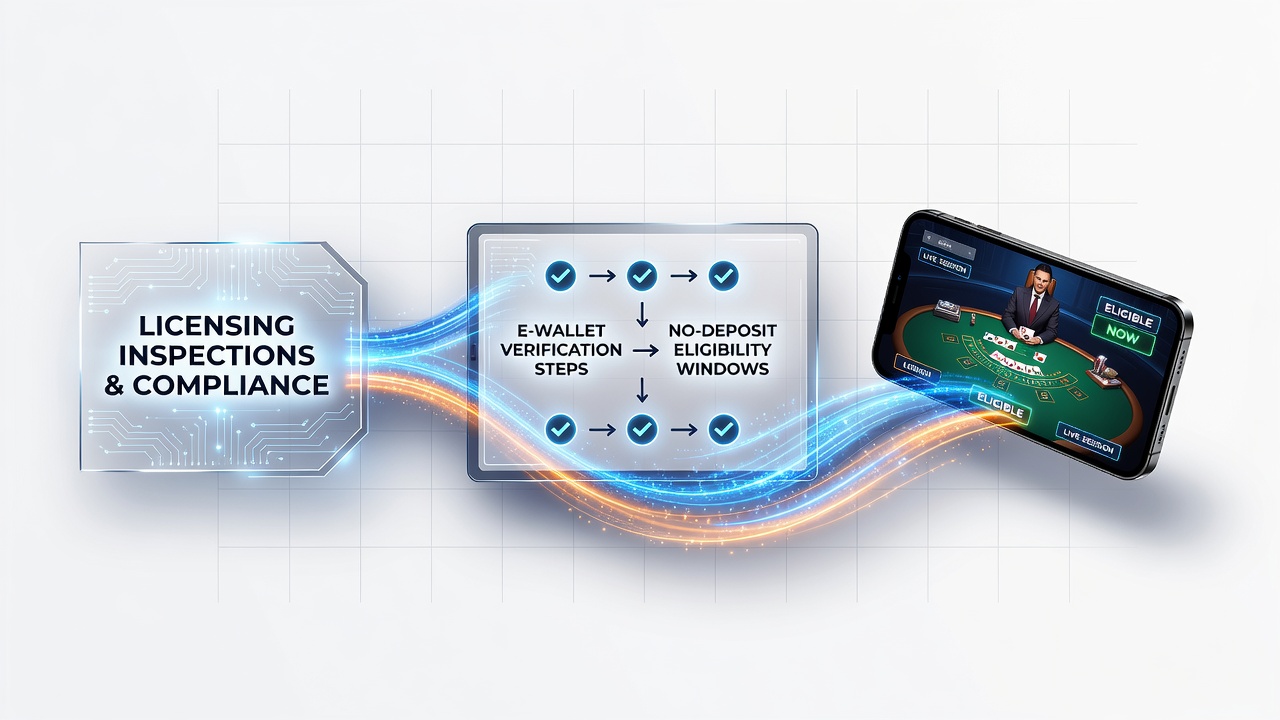
Decoding how licensing inspections align e-wallet verification steps with no-deposit eligibility windows for live dealer sessions across handheld platforms
Regulatory frameworks across multiple jurisdictions require licensing inspections to verify that e-wallet verification procedures synchronize precisely with no-deposit eligibility periods for live dealer sessions on handheld devices, and this alignment ensures operators meet both security standards and player access rules without creating timing mismatches that could disrupt session activation.
Inspections typically begin with a review of operator-submitted documentation that details each step in the e-wallet verification chain, from initial account linkage through identity confirmation and transaction authorization, while examiners cross-reference these steps against the defined windows during which players may access no-deposit live dealer tables without prior funding.
Core Components of Licensing Inspections
Examiners from bodies such as the New Jersey Division of Gaming Enforcement examine system logs that record timestamped verification events, and they compare those records to the eligibility calendars operators publish for mobile users seeking live dealer access. Data from these audits show that synchronization failures most often occur when e-wallet providers introduce updated security layers that extend verification times beyond the no-deposit window boundaries established in licensing agreements.
Handheld platform compatibility receives particular attention during these reviews because mobile operating systems apply their own authentication protocols that can interact with casino e-wallet flows, and inspectors test sample accounts on both iOS and Android devices to confirm that eligibility windows remain consistent regardless of the device type used to initiate a live dealer session.
E-Wallet Verification Sequences and Timing Controls
Verification sequences generally follow a three-stage process that includes account ownership confirmation, document upload validation, and final authorization from the payment processor, yet each stage must complete inside the operator-defined eligibility window or the player loses access to the no-deposit live dealer offering. Operators embed automated timers within their platforms that pause or extend verification steps when inspections flag potential overruns, and these controls receive direct testing during on-site or remote audits scheduled throughout the year.
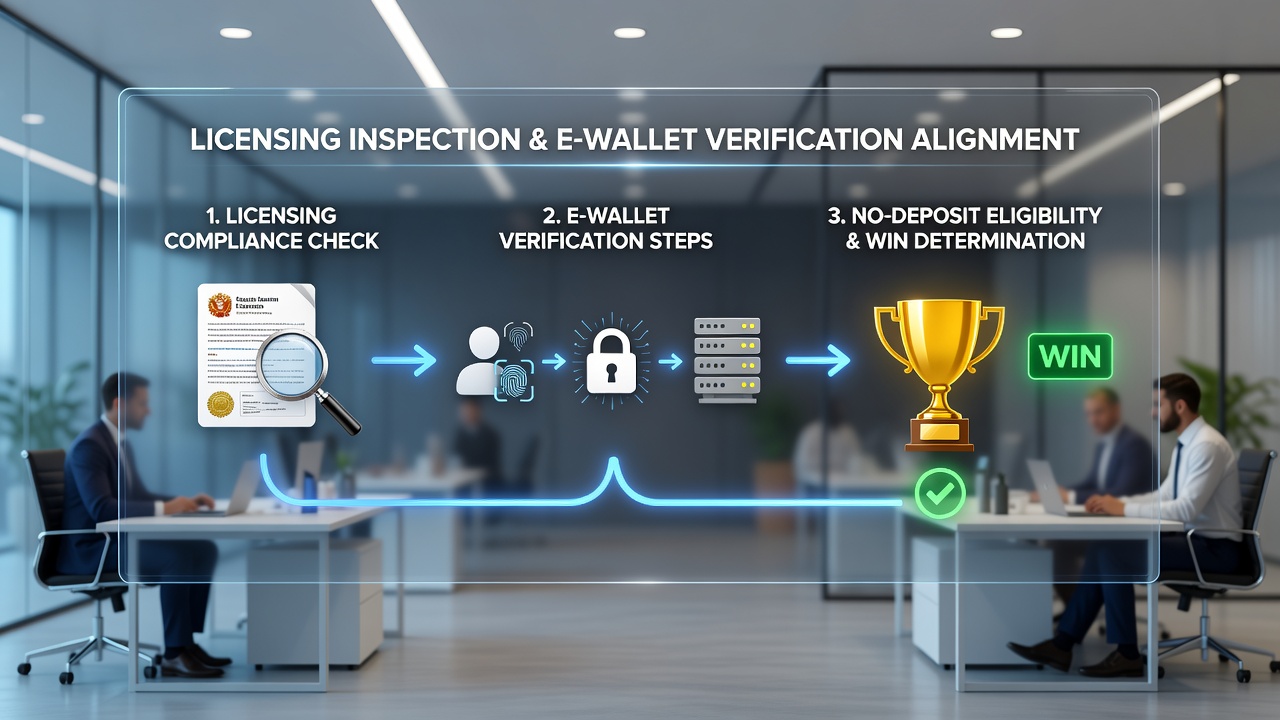
June 2026 updates to several multi-state mobile frameworks introduced mandatory logging of verification latency metrics, and these new requirements allow inspectors to quantify exactly how long each e-wallet check takes relative to the remaining eligibility period for live sessions. Figures released by iGaming Ontario indicate that average verification completion times dropped by 14 percent after operators implemented the revised logging standards, demonstrating measurable improvement in alignment.
Eligibility Windows Specific to Live Dealer Content
No-deposit eligibility windows for live dealer sessions on handheld platforms typically span between 24 and 72 hours after initial account creation, though exact durations depend on the licensing jurisdiction and the type of dealer game selected. Blackjack and roulette tables often carry shorter windows than baccarat or game-show style offerings because real-time dealer availability and table seat limits create additional operational constraints that inspections must account for during compliance checks.
Operators maintain separate eligibility counters for each live dealer title, and these counters integrate directly with e-wallet status flags so that a player whose verification remains incomplete cannot join a table even if the broader no-deposit period has not yet expired. Inspectors review these integrated systems by simulating player journeys across multiple handheld devices to ensure no edge cases allow unauthorized access or block legitimate eligibility.
Cross-Platform Consistency and Audit Outcomes
Consistency across handheld platforms forms a central inspection criterion because players frequently switch between smartphones and tablets during a single eligibility window, and any discrepancy in verification status between devices can violate licensing conditions. Audit reports from the past two years reveal that operators using unified backend verification services experience fewer synchronization issues than those relying on device-specific modules, and regulators now request comparative performance data during renewal reviews.
Training requirements for compliance staff also factor into inspections, since personnel must understand both e-wallet technical specifications and the precise boundaries of no-deposit windows to interpret system alerts correctly during live monitoring. Jurisdictions including several Australian states have begun requiring documented staff competency assessments as part of the overall licensing inspection package.
Conclusion
Licensing inspections continue to evolve their methods for confirming that e-wallet verification steps remain locked in step with no-deposit eligibility windows, particularly as live dealer offerings expand across an increasing variety of handheld platforms. Ongoing refinements in logging standards, cross-device testing protocols, and integrated timing controls help maintain the required alignment while supporting secure player access to mobile live dealer sessions.